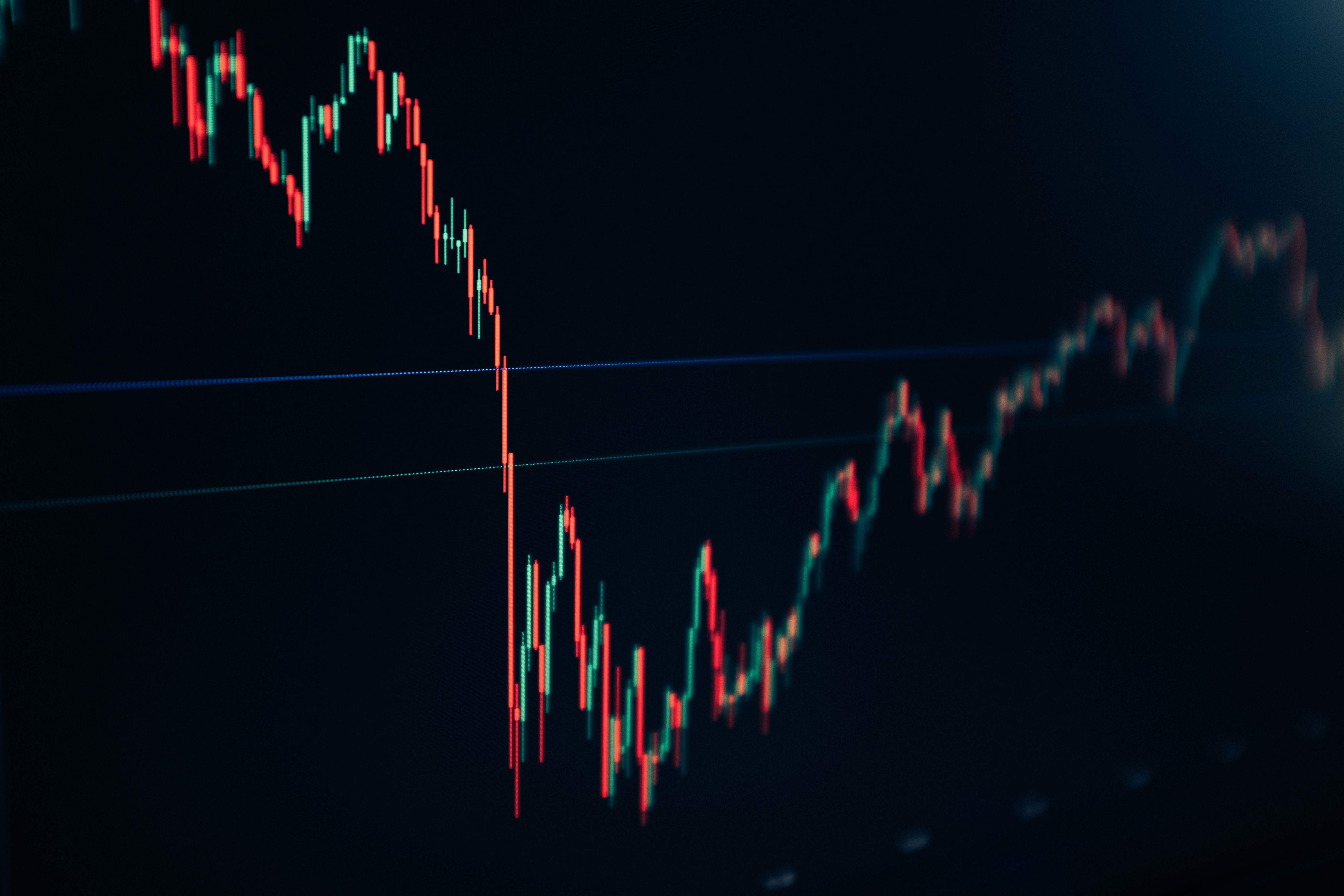
A stock market crash is generally characterized by a sudden and dramatic decline in stock prices, typically exceeding 10% of a stock index over a very short period. It often reflects heightened investor fear and economic uncertainty, leading to a widespread sell-off in the equity markets. Such crashes can result in significant financial losses for investors and can trigger broader economic turmoil. Understanding the essential features of a stock market crash helps to distinguish it from less severe market corrections, which are typically brief and involve a pullback of about 10% to 20% in stock prices, often followed by a relatively quick rebound.
In contrast, a stock market crash is marked by not only steep declines but also prolonged periods of recovery. Historically, notable examples of stock market crashes include the Wall Street Crash of 1929, which precipitated the Great Depression, and the 2008 financial crisis that resulted in considerable economic distress globally. During these periods, investor sentiment shifted rapidly from optimism to panic, causing widespread liquidation of shares.
In terms of economic indicators, a stock market crash is typically associated with rising unemployment rates, declining consumer confidence, and reduced corporate earnings. It is crucial to parse the key differences between a crash and a correction, as many investors may misinterpret a sharp decline as being indicative of a crash without understanding the underlying factors. A crash is an endpoint of sustained negative trends and heightened volatility, while a correction often represents a healthy adjustment within an ongoing bullish market.
Causes of Stock Market Crashes
Stock market crashes are multifaceted events influenced by a confluence of factors. One primary cause is the state of the economy, often reflected in economic indicators such as GDP growth, unemployment rates, and inflation. A sudden downturn in these metrics can lead to decreased investor confidence, prompting sell-offs and subsequent market declines. If key economic indicators signal a recession, this can catalyze a broader market collapse, as investors react to the perceived deterioration of financial conditions.
Investor behavior also plays a crucial role in stock market dynamics. Behavioral finance suggests that psychological factors can lead to irrational decision-making, causing overreactions to market events. For instance, fear of loss may trigger panic selling, exacerbating a downturn. Moreover, herd mentality can result in large groups of investors making similar choices, which can amplify market volatility and contribute to a crash.
Geopolitical events, such as wars, elections, or international trade disputes, add another layer of complexity. These events can introduce uncertainty and volatility, leading to shifts in investment strategies and market performance. For instance, unexpected decisions by governments may alter business environments drastically, impacting investor sentiment and leading to market corrections or crashes.
Lastly, systemic risks within financial markets can create an environment conducive to crashes. Factors such as high levels of debt, poor regulatory oversight, or interconnectedness of financial institutions can introduce vulnerabilities. When a significant player in the market falters, it can create a ripple effect, impacting investor confidence and leading to widespread sell-offs.
Consequences of a Stock Market Crash
A stock market crash can have profound repercussions on various sectors of the economy, affecting not only investors and businesses but also the broader economic landscape. One of the most immediate impacts is felt by investors, who may experience significant losses in their portfolios. When stock values plummet, individuals and institutions alike find themselves facing diminished wealth, leading to reduced consumer confidence and spending. This drop in spending can precipitate a recession, characterized by a decline in economic activity.
Businesses are not immune to the ramifications of a stock market crash. As investor sentiment shifts and capital becomes harder to secure, companies may struggle to obtain financing necessary for expansion, project development, or operational sustainability. The reduction in available investment can lead to budget cuts, reduced expenditures, and in extreme cases, layoffs, contributing to rising unemployment rates. The ripple effects of these job losses extend beyond the individuals directly affected, as local economies begin to feel the strain of lower consumer purchasing power.
Furthermore, a stock market crash often triggers significant changes in consumer behavior. Individuals may become increasingly risk-averse, opting to save rather than spend, which can stagnate economic growth. Alongside this shift in consumer sentiment, regulatory shifts frequently follow a crash, as governments and financial institutions reassess policies to prevent future downturns. Stricter regulations may be implemented to enhance market transparency and protect investors, which can reshape the investment landscape.In summary, the consequences of a stock market crash can be far-reaching and multifaceted. From immediate financial losses suffered by investors to broader economic instabilities, the effects permeate through various layers of society, prompting essential changes in behavior, policy, and market dynamics.
Preparing for the Next Market Crash
Investing in the stock market inherently carries risks, as market fluctuations can lead to significant losses. However, there are proactive steps investors can take to protect their portfolios against potential crashes. One of the most effective strategies is diversification, which entails spreading investments across various asset classes, sectors, and geographic regions. By diversifying, an investor can minimize the impact of a single market downturn on their overall portfolio performance.
Another critical component of safeguarding an investment portfolio is implementing robust risk management strategies. This involves setting clear investment goals, understanding one’s own risk tolerance, and using tools such as stop-loss orders and options to limit potential losses. Additionally, regularly re-evaluating the asset allocation within the portfolio can help mitigate exposure to volatile sectors that may experience sharper declines during market downturns.
Staying informed about current market trends, economic indicators, and geopolitical events is also vital for investors. This knowledge enables them to make informed decisions and adjust their strategies accordingly. Subscribing to financial news channels, reading market analysis reports, or engaging in educational webinars can provide valuable insights necessary for understanding looming risks within the stock market.
The psychological aspect of investing plays an integral role, especially during periods of downturn. Fear and panic can lead to hasty decisions, resulting in selling assets at a loss. Maintaining a long-term perspective is key; investors should remember that market corrections are often temporary and that history shows markets tend to recover over time. Remaining disciplined and adhering to a well-thought-out investment strategy can help mitigate emotional reactions during turbulent times.