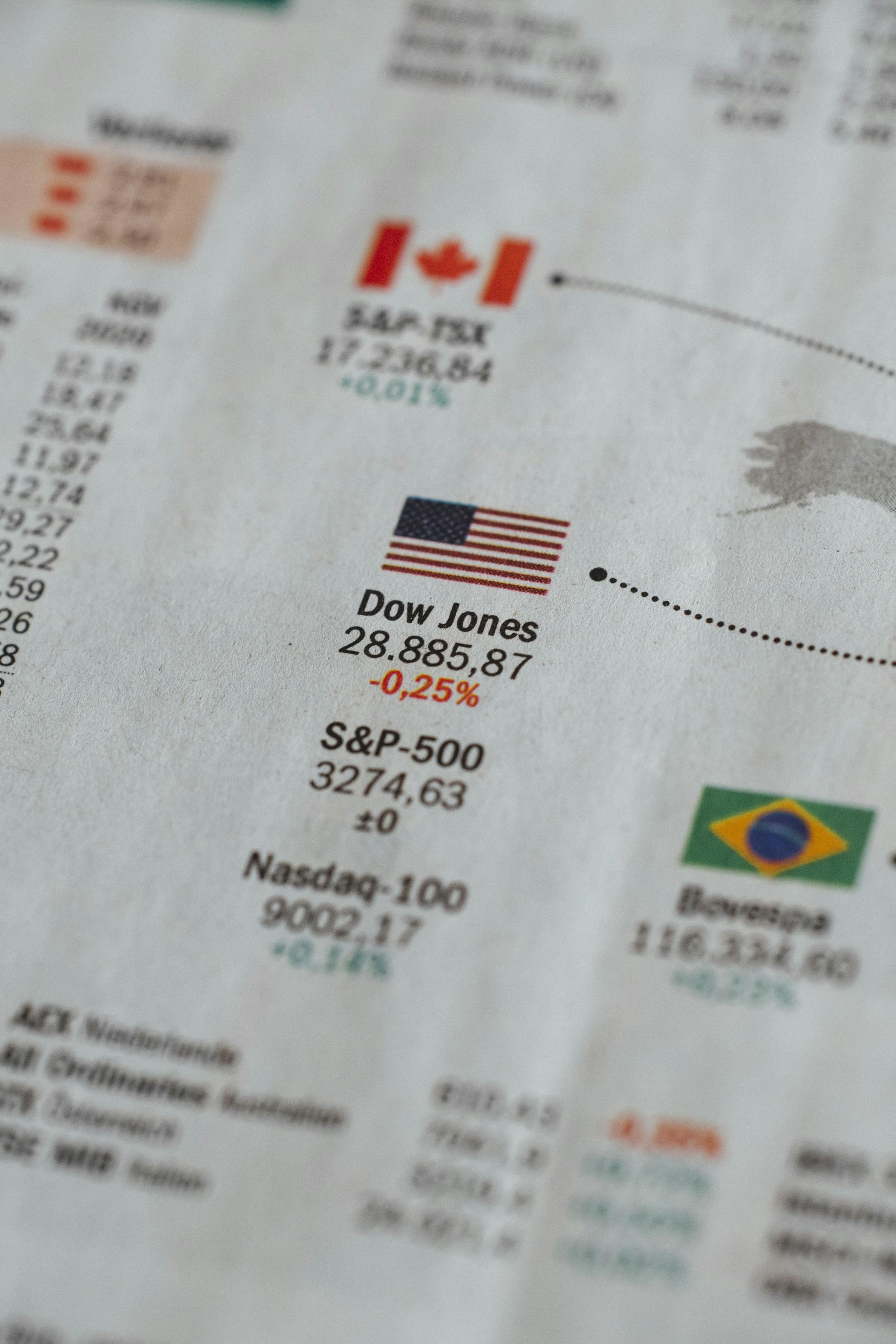
What is Nifty 50?
The Nifty 50 is a prominent stock market index in India, representing the performance of the 50 largest and most liquid companies listed on the National Stock Exchange (NSE) of India. This benchmark index is essential in understanding the overall health and performance of the Indian equity market. Launched in 1996, the Nifty 50 serves as a barometer for market movements and investor sentiments, reflecting the broader economic landscape.
Nifty 50 comprises companies from diverse sectors, including finance, information technology, consumer goods, and petrochemicals, among others. This diverse composition ensures that the index captures the economic dynamics of India effectively, enabling investors to gauge market trends and potential investment opportunities. The companies included in the Nifty 50 are selected based on criteria such as market capitalization, liquidity, and industry representation, ensuring a balanced exposure to various segments of the economy.
The significance of the Nifty 50 extends beyond mere representation; it plays a critical role in financial products, including index funds and derivatives. With its structured composition and transparent methodologies, the Nifty 50 serves as a base for various trading instruments, allowing investors to implement strategies in a systematic manner. Moreover, the index is frequently used as a benchmark for measuring the performance of mutual funds and portfolios, helping investors evaluate returns against a market standard.
In summary, the Nifty 50 stands as a cornerstone of the Indian financial landscape, providing a reliable measure of market performance and serving as a crucial tool for investors seeking to navigate the complexities of the equity markets in India.
History and Evolution of Nifty 50
The Nifty 50, officially known as the Nifty, is a stock market index that was launched on April 22, 1996, by the National Stock Exchange of India (NSE). This index represents the performance of 50 of the largest and most liquid stocks listed on the NSE, thus providing a comprehensive overview of the Indian stock market. The creation of the Nifty 50 marked a significant milestone in India’s financial landscape, as it aimed to offer investors a reliable barometer of market trends, facilitating informed investment decisions.
Since its inception, the Nifty 50 has undergone several transformations to adapt to the changing economic environment and market dynamics in India. Multiple factors, including market crashes, economic reforms, and global financial events, have significantly influenced its evolution. For example, the dot-com bubble of the early 2000s and the global financial crisis of 2008 severely tested the resilience of this index, leading to reviews of the constituents and recalibrations to maintain its integrity and relevance.
A notable milestone in the Nifty 50’s history occurred in 2016 when the index adopted a new methodology that emphasized free-float market capitalization, aligning it with global best practices. This shift enhanced the index’s accuracy in reflecting the performance of the underlying stocks, ultimately benefiting investors and stakeholders. Furthermore, government initiatives aimed at increasing market participation and investor awareness have also played an instrumental role in the rising popularity and reliability of the Nifty 50.
Over the years, the Nifty 50 has not only mirrored the growth of the Indian economy but has also adapted to various reforms in corporate governance and regulatory frameworks, reinforcing its stature as a premier stock market index. Its ability to weather challenges and continuously evolve attests to its role as a cornerstone of Indian equity markets.
Components of Nifty 50 and Their Impact
The Nifty 50 index is a critical barometer of the Indian stock market, comprising 50 of the largest and most liquid companies listed on the National Stock Exchange (NSE) of India. This index covers various sectors, including banking, information technology, consumer goods, pharmaceuticals, and energy, providing an inclusive insight into the market’s performance. Each company within the Nifty 50 has a different weighting based on its market capitalization, which significantly influences the overall index dynamics.
The banking sector, for example, holds considerable weight in the Nifty 50, with major players such as HDFC Bank and ICICI Bank contributing substantially to market movements. When performance metrics of these banks shift – whether through changes in interest rates or credit policies – the impact on the Nifty 50 can be pronounced. Similarly, the information technology sector, represented by giants like Tata Consultancy Services (TCS) and Infosys, also plays a pivotal role. Given the sector’s heavy influence on both domestic and global markets, any fluctuations in their stocks can lead to heightened investor sentiments and shifts in market trajectories.
In addition to sector performance, the behavior of consumer goods companies within the index has a notable impact as well. Brands like Hindustan Unilever and Nestlé India not only reflect consumer trends but also contribute to economic indicators such as inflation, affecting investor confidence. The diverse composition of the Nifty 50 enables investors to gauge market performance across various segments effectively. By monitoring the indexed sectors, investors can gain critical insights into the economic landscape, allowing for more informed investment decisions.
Investment Strategies Involving Nifty 50
Investing in the Nifty 50, one of India’s most significant stock market indices, can be approached through various strategies tailored to meet individual risk tolerances and investment goals. A fundamental strategy is long-term buying and holding. This approach encourages investors to purchase stocks within the Nifty 50 index and retain them over an extended period. The rationale behind this tactic is to benefit from the overall growth of the index and the companies it comprises. Historically, the Nifty 50 has showcased substantial capital appreciation over time, making it an attractive option for those focused on long-term wealth accumulation.
Another effective strategy is to invest through Nifty index mutual funds and exchange-traded funds (ETFs). These investment vehicles allow individuals to gain exposure to the Nifty 50 without needing to buy shares of individual stocks. Funds that track the Nifty 50 offer a diversified investment option, mitigating the risks associated with individual stock volatility. The convenience of managing investments through index funds also appeals to novice investors, as these funds typically have lower fees than actively managed funds.
For more experienced investors, options trading can provide lucrative opportunities related to the Nifty 50. Options allow investors to speculate on the future price movements of the index, offering the potential for high returns. However, options trading comes with heightened risk and complexity, necessitating a thorough understanding of market trends and strategies.
While the Nifty 50 offers promising investment avenues, it is crucial for investors to remain cognizant of potential risks. Market fluctuations, geopolitical events, and economic changes can impact stock performance. Therefore, diversifying one’s portfolio and performing regular analyses of investments is recommended to manage risks effectively. In conclusion, adopting a tailored investment strategy can enhance one’s chances of successfully navigating the Nifty 50 landscape.