Introduction to MTAR Technologies
MTAR Technologies, established in 1970, has emerged as a prominent player in the Indian engineering sector, known for its specialized manufacturing capabilities. The company operates primarily in the aerospace, defense, and nuclear sectors, delivering high-precision products that meet stringent quality standards. With a robust portfolio that includes components for satellites, launch vehicles, and related technological applications, MTAR Technologies has carved a niche in markets requiring advanced engineering solutions.
Over the years, MTAR Technologies has capitalized on the growing demand for indigenous capabilities in India’s defense and aerospace industries. Their business model revolves around providing highly specialized products and services, allowing them to strategically position themselves as reliable partners for government and private sector clients. As a result, the company has built a solid reputation for leveraging its engineering competencies to fulfill critical project requirements.
The firm operates from multiple manufacturing facilities that are equipped with state-of-the-art technology. This infrastructure allows MTAR to engage in complex projects, enhancing its potential for growth in a competitive landscape. Their commitment to research and development has fostered innovation, ensuring the company stays at the forefront of technological advancements in its respective fields.
Additionally, MTAR Technologies actively seeks collaborations and partnerships to expand its capabilities and reach within both domestic and international markets. This strategic approach enhances their resilience against market fluctuations and strengthens their position within the industrial sector. As the company continues to evolve, understanding its operational landscape and business model is crucial for evaluating its share price trends and investment potential.
Historical Performance of MTAR Share Price
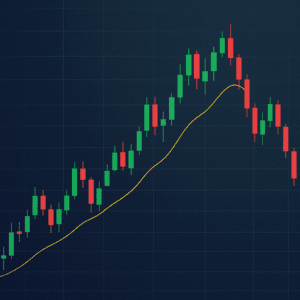
Since its listing on the stock exchange, MTAR Technologies has exhibited a noteworthy trajectory in its share price, characterized by both substantial growth and notable volatility. The company, recognized for its significant contributions to the aerospace and defense sectors, has seen transformative phases in its stock valuation.
Initially, MTAR’s share price experienced a robust upward trend, propelled by its successful product launches and the securing of high-profile contracts. The initial public offering (IPO) phase marked a significant price surge, attracting considerable investor interest. Historical highs were recorded shortly after the IPO, where investor optimism was fueled by the potential future earnings, driven by increasing demand in the sectors MTAR serves.
However, the share price has not been without its challenges. There have been periods of decline, particularly following quarterly earnings reports that fell short of market expectations. For instance, specific earnings announcements revealed lower than anticipated revenue growth, which negatively impacted investor sentiment and resulted in a sharp decrease in share price. Strategic partnerships and joint ventures also play a crucial role in influencing MTAR’s market value; announcements of new collaborations have often led to significant price fluctuations.
In terms of historical lows, fluctuations have typically occurred during broader market downturns or unfavorable regulatory developments affecting the aerospace and defense industries. These significant events have brought about necessary adjustments in MTAR’s value, showcasing the stock’s sensitivity to both internal performance metrics and external market forces.
Overall, analyzing MTAR’s share price history presents a complex picture shaped by its operational achievements, market dynamics, and investor reactions. Future performance will likely continue to reflect these multifaceted influences as MTAR navigates through a rapidly evolving industry landscape.
Factors Influencing MTAR Share Price
The share price of MTAR Technologies is influenced by a multitude of external and internal factors, making it essential to understand the dynamics at play. One of the primary external factors is market trends. Fluctuations in the broader stock market can heavily impact how investors perceive MTAR’s value. For instance, a bullish market often boosts confidence in aerospace and defense stocks, potentially raising MTAR’s share price.
Additionally, investor sentiment plays a critical role. Trends in investors’ perceptions, driven by news, analyst assessments, and industry forecasts can cause rapid changes in share prices. If investors perceive MTAR as a leader in its field, with promising new contracts or technologies, they may be more inclined to buy shares, resulting in price increases. Conversely, negative news or declining confidence could lead to sell-offs.
Economic indicators are another significant factor. Metrics such as GDP growth, unemployment rates, and overall economic health can sway investors’ decisions. Healthy economic indicators generally point towards higher defense budgets and increased demand for aerospace products, thus positively affecting the share price of companies like MTAR, which are heavily involved in these sectors.
Furthermore, specific operational factors within MTAR, including its strategic partnerships, innovation in technology, and project deliveries, influence investor judgments. For example, successful completion of defense contracts can lead to increased trust in the company’s operational capability and drive up its share price. Overall, comprehensively understanding these factors provides insights into the fluctuations in MTAR’s share price, aiding investors in making informed decisions.
Future Outlook: Predictions and Expert Opinions on MTAR Share Price
As we look toward the future of MTAR Technologies’ share price, a consensus among market analysts indicates a cautiously optimistic outlook. According to several investment experts, MTAR’s strategic positioning in the aerospace and defense sectors, along with its expanding footprint in renewable energy, provides a solid foundation for future growth. Most analysts predict that the share price may see a gradual upward trajectory in the coming quarters, with price targets averaging between INR 1,200 and INR 1,500 within the next 12 months, depending on market conditions and company performance.
However, several risks could significantly affect these predictions. The ongoing global supply chain issues and geopolitical tensions might pose challenges to the company’s operational efficiency and market accessibility. Furthermore, any delays in project rollouts or changes in government policies regarding defense spending could adversely impact revenue forecasts. Investors are advised to keep these factors in mind when evaluating MTAR’s future share price potential.
On a more positive note, trends in the sustainable technology landscape are expected to favor MTAR’s growth. As industries shift focus towards greener technologies, MTAR’s commitment to innovation in clean energy solutions positions it advantageously. Moreover, the firm’s plans to expand its product offerings could lead to increased revenue streams, enhancing overall shareholder value.
In terms of expert opinions, many analysts recommend holding and accumulating shares of MTAR for long-term investors, citing its stable financial health and potential for growth. They emphasize the importance of monitoring key financial metrics, including profit margins and order books, which are indicative of the company’s operational efficiency and market demand. Overall, MTAR Technologies appears poised for a promising future, dependent upon its ability to navigate emerging industrial trends and external market challenges.