

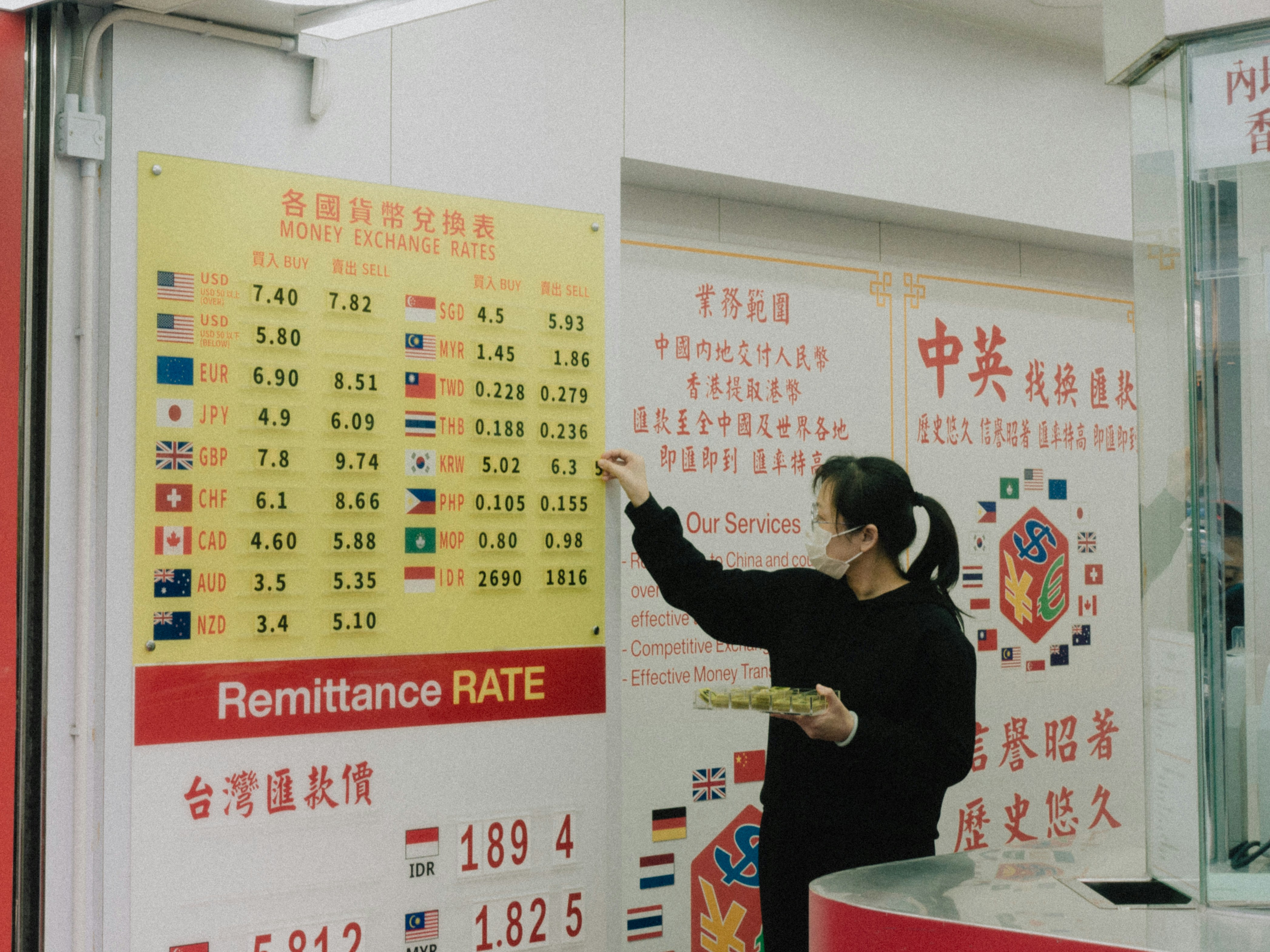
Understanding the Current USD/JPY Landscape
The USD/JPY currency pair represents the exchange rate between the United States dollar and the Japanese yen, reflecting the economic dynamics of both nations. Over the past few years, the interactions between these two currencies have been influenced by various factors, including interest rates, economic indicators, and geopolitical events. Recent movements in the USD/JPY exchange rate have shown notable trends, prompting analysis of the underlying economic conditions affecting both currencies.
Historically, the Japanese yen has served as a safe-haven currency, typically appreciating during periods of global uncertainty. However, recent economic data suggest a shift in this trend. The Bank of Japan (BoJ) has maintained an ultra-loose monetary policy for years, which has led to increased volatility in the yen’s value against the dollar. As inflation rates in Japan begin to rise, alongside increasing wages, market participants speculate on potential shifts in the BoJ’s approach, which may favor a rate hike.
On the other hand, the US dollar has recently been buoyed by robust economic performance in the United States, marked by strong consumer spending and improving employment figures. The Federal Reserve has adjusted its strategy, with discussions around tapering asset purchases and potential interest rate hikes. This interplay between US economic strength and Japan’s evolving economic landscape has contributed to fluctuations in the USD/JPY exchange rate.
Moreover, external factors such as trade balances and geopolitical tensions significantly impact the performance of the USD/JPY pair. For example, trade relationships and economic policies between the US and other nations may influence investor confidence, leading to alterations in currency valuation. As both currencies continue to reflect their respective economic contexts, monitoring these dynamics becomes crucial for understanding the future performance of the USD/JPY exchange rate.
The Role of Wage Momentum in Japan
Wage momentum in Japan plays a crucial role in shaping the economic landscape, as it directly influences consumer spending, inflation, and overall economic growth. In recent years, Japan has experienced a gradual increase in wages, which can be attributed to various factors, including labor shortages and the government’s policy initiatives aimed at improving income growth. As companies compete for a limited workforce, salary increases become essential for attracting and retaining talent. This emerging trend has significant implications for the broader economy.
Rising wages typically lead to increased consumer spending, as individuals have more disposable income to allocate toward goods and services. This uptick in consumer demand can ultimately stimulate economic growth, which is vital for Japan, especially in light of the challenges posed by an aging population and stagnant productivity levels. Notably, Japan’s real wages, adjusted for inflation, have shown promising improvements, with reports indicating that average monthly wages increased by approximately 2.2% year-on-year in recent quarters. Such statistics not only highlight the positive trends in wage growth but also suggest that consumer confidence may be on the rise, contributing to increased household expenditures.
The interplay between wage growth and inflation is another critical consideration. Higher wages can lead to increased costs for businesses, which may be passed on to consumers in the form of higher prices. This phenomenon could trigger inflationary pressures, pushing the Bank of Japan (BoJ) to evaluate its monetary policy stance. Historically, the BoJ has maintained ultra-low interest rates to stimulate economic activity. However, sustained wage growth may prompt a reconsideration of this approach, particularly as the BoJ will need to act in response to improved economic fundamentals. If wage momentum continues to progress, the likelihood of a BoJ rate hike may increase, reflecting the central bank’s efforts to balance economic growth with inflation management.
Monetary Policy Implications: The BoJ’s Potential Rate Hike
The Bank of Japan (BoJ) has historically maintained an accommodative monetary policy, marked by an ultra-low interest rate environment and aggressive quantitative easing measures. This approach was adopted in response to prolonged economic stagnation and deflationary pressures experienced in the country since the early 1990s. Recently, however, the Japanese economy has shown signs of recovery, underpinned by improved wage momentum and rising consumer spending. These evolving economic conditions raise pertinent questions regarding the BoJ’s future policy stance.
As wage growth accelerates in Japan, a shift in the central bank’s approach to monetary policy may be on the horizon. The central bank traditionally aims to foster stable inflation and economic growth, and an increase in wages could naturally contribute to heightened consumer demand, potentially pushing inflation towards its target of around 2%. If inflation begins to outpace current levels sustainably, the BoJ may feel compelled to adjust its policy to prevent the economy from overheating.
In assessing the potential for a rate hike, it is crucial to consider various scenarios that could unfold in the coming months. For instance, should inflationary pressures persist amid rising wages, the BoJ might opt to implement a gradual increase in interest rates in 2024. This would signal a pivotal shift in Japan’s monetary policy, likely influenced by both domestic economic indicators and global market conditions.
The implications of a BoJ rate hike extend beyond Japan’s borders, potentially impacting international markets and currency valuations. A tighter monetary policy could lead to an appreciation of the yen against other currencies, affecting trade dynamics and foreign investment flows. Consequently, markets will be closely monitoring the BoJ’s announcements and economic indicators to gauge the likelihood and timing of any rate adjustments.
Market Reactions and Forecasts for USD/JPY
The anticipated rate hike by the Bank of Japan (BoJ) due to Japan’s wage momentum is expected to evoke significant reactions from the market, particularly regarding the USD/JPY currency pair. Analysts believe that the potential adjustment in interest rates could lead to increased volatility, as it represents a critical inflection point in Japan’s monetary policy, traditionally characterized by prolonged accommodative measures. This impending shift may attract global investors, prompting reevaluations of their positions in the USD/JPY market.
Financial analysts have been closely monitoring various economic indicators, including inflation trends and wage growth, as they assess the likely impact on the USD/JPY. As Japan’s economy shows signs of robustness, a rate hike could lead to a stronger Japanese yen against the US dollar. This perspective has sustained a somewhat bullish outlook for the yen, though uncertainties surrounding global economic conditions, including the pace of recovery in major economies, continue to weigh on forecasts. Analysts’ predictions for the USD/JPY pair range from bullish scenarios underpinned by favorable domestic economic data to bearish outcomes if external factors, such as geopolitical tensions, disrupt market stability.
The interplay between local developments in Japan and broader global trends is crucial for understanding potential currency fluctuations. Traders are advised to leverage technical indicators alongside fundamental analyses while formulating investment strategies during this transition. Moves in the USD/JPY may also correlate with shifts in risk appetite among investors, as a stronger yen could signal confidence in Japan’s economic prospects. When considering strategies, investors might focus on hedging against possible fluctuations or looking for opportune moments to capitalize on rapid market movements.
In conclusion, the market reactions to the BoJ’s anticipated rate hike will be dictated by a complex mix of local and global economic signals, requiring investors to remain vigilant and adaptable in their approach to the USD/JPY currency pair.