

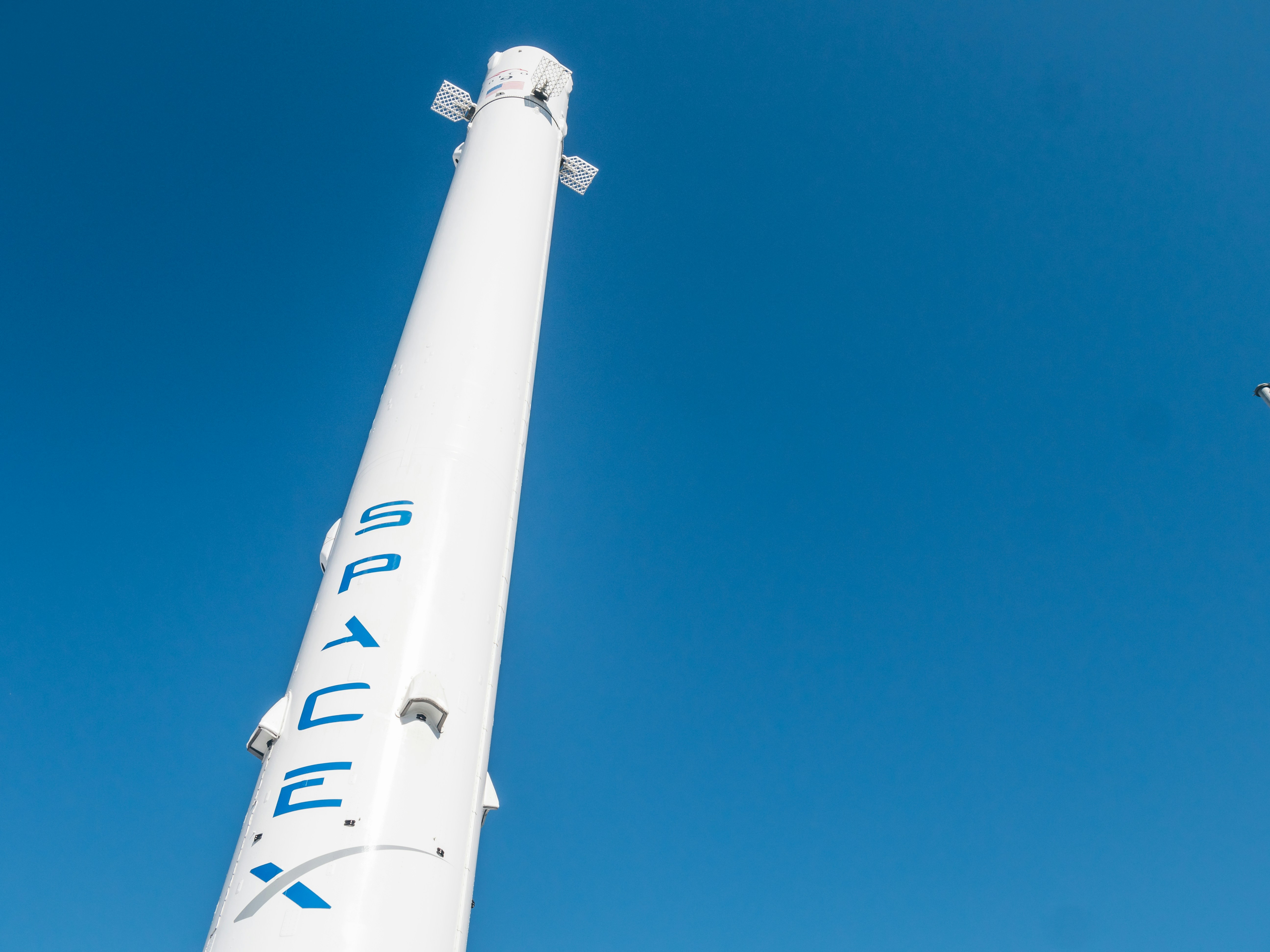
Understanding SpaceX’s Current Position
SpaceX, founded in 2002 by Elon Musk, has significantly transformed the aerospace industry. Established with the primary objective to reduce space transportation costs and enable the colonization of Mars, SpaceX has achieved several groundbreaking milestones. Among its noteworthy achievements is the successful launch and landing of the Falcon 9 rocket, a feat that has made reusability a central theme in modern space exploration.
In recent years, SpaceX has expanded its operational capabilities by successfully deploying a constellation of Starlink satellites aimed at providing global internet coverage. This initiative not only demonstrates SpaceX’s technical prowess but also its ability to innovate beyond traditional rocket launches. The company’s collaboration with NASA has been particularly pivotal, highlighted by the Crew Dragon missions which successfully transported astronauts to the International Space Station (ISS). These partnerships have bolstered SpaceX’s reputation as a reliable launch provider and solidified its position as a leader in private space exploration.
Financially, SpaceX has shown robust performance, attracting substantial investments through multiple funding rounds. This funding has been instrumental in part due to the company’s strategic positioning within the aerospace sector, where it has capitalized on growing demand for commercial space travel and satellite services. The valuation of SpaceX has skyrocketed, with estimates reaching tens of billions of dollars, reflecting investor confidence in its future prospects. As discussions about a potential initial public offering (IPO) surface, it is crucial to recognize how these milestones and developments signal SpaceX’s readiness to further disrupt the aerospace landscape.
Implications of a SpaceX IPO
The potential initial public offering (IPO) of SpaceX carries significant implications for the company, its employees, and investors. By going public, SpaceX could gain access to substantial capital, which would be essential for funding its ambitious projects, including the colonization of Mars and the expansion of its Starlink satellite internet services. Increased financial resources would allow SpaceX to accelerate innovation and enhance its position in the aerospace industry.
However, an IPO also brings increased scrutiny from shareholders and regulatory bodies. As a publicly traded entity, SpaceX would be required to disclose detailed financial information and performance metrics, which could lead to pressure to prioritize short-term profitability over long-term visionary goals. This shift in focus may affect company culture, making it crucial for SpaceX to maintain its distinctive approach to risk-taking and innovation while meeting the expectations of public investors.
From an employee perspective, a public offering can provide significant benefits, such as stock options that may increase in value as the company grows. This potential for profit-sharing could motivate employees and foster a sense of ownership and alignment with the company’s objectives. However, it may also lead to uncertainty, as employees might experience fluctuations in their stock’s value, creating an added layer of financial pressure.
In a broader industry context, SpaceX’s IPO could reshape the competitive landscape. A successful public offering could attract new investors and stimulate other aerospace companies to follow suit, creating increased competition. Furthermore, it may encourage additional governmental and commercial investments in space exploration and technology, propelling the overall industry forward.
In conclusion, while a SpaceX IPO offers substantial potential benefits in terms of capital and investment, it also presents challenges that could influence the company’s culture and long-term objectives. Balancing growth and innovation with the demands of public markets will be key for SpaceX as it navigates this pivotal transition.
Market Trends and Investor Sentiment
The current initial public offering (IPO) market landscape showcases a notable resurgence of interest, specifically within the aerospace technology sector. Recent trends indicate that companies associated with space exploration are attracting significant investor attention. Noteworthy examples include the IPOs of companies like Rocket Lab and Astra, which have opened avenues for private investors seeking opportunities in this rapidly evolving field. Such fluctuations in the capital markets can provide insights into the potential timing and success of SpaceX’s forthcoming public offering.
Market analysts observe that investor sentiment surrounding aerospace and space technology firms remains predominantly positive. This optimism is fueled by advancements in satellite technology, increasing demand for launching services, and the growing realization of the commercial viability of space exploration. Furthermore, a growing number of collaborations between governmental entities and private companies enhances the attractiveness of this sector. Investors are increasingly keen to capitalize on the disruptive innovations that companies like SpaceX are poised to offer, reinforcing their intention to invest in a market ripe for growth.
As SpaceX prepares for its potential IPO, it must consider these ongoing market trends and the prevailing investor sentiment. Weighing the outcomes of recent aerospace IPOs can provide critical insights into strategic decisions surrounding its public offering. Additionally, SpaceX can harness the growing interest in sustainable space exploration and cutting-edge technology to create a compelling narrative that resonates with prospective investors.
This favorable market climate, combined with robust support for space innovation, positions SpaceX well for a successful IPO. As more individuals and institutional investors seek to diversify their portfolios with aerospace investments, the upcoming public offering signifies a key moment not just for SpaceX, but also for the future of the entire aerospace technology sector.
Future Outlook: What Lies Ahead for SpaceX
As SpaceX positions itself for a potential initial public offering (IPO), industry experts are keenly observing the implications this ambitious move may have for the company’s future trajectory. With significant advancements in reusable rocket technology, SpaceX stands to further disrupt the aerospace industry. The Falcon 9 and Falcon Heavy programs have already demonstrated the viability and efficiency of reusability, reducing the cost of access to space. Experts predict that additional innovations in this arena will accelerate, paving the way for more frequent launches and a broader array of market opportunities.
Another area of considerable growth anticipated is the deployment of satellite internet through the Starlink initiative. As SpaceX expands its satellite constellation, it has the potential to transform global internet access, particularly in underserved regions. This venture not only enhances connectivity but also opens up an additional revenue stream for the company, bolstering its financial stability post-IPO. Analysts suggest that the success of Starlink could significantly influence SpaceX’s market valuation and attract further investments.
Moreover, potential collaborations or acquisitions may be on the horizon. Industry insiders speculate that a public SpaceX could seek strategic partnerships, enhancing its capabilities while expanding its market presence. Collaborations with government agencies and private companies could lead to innovative joint projects, particularly in areas such as deep-space exploration and lunar missions. These partnerships could further strengthen SpaceX’s position as a leader in the space industry.
Ultimately, going public may lead to a redefined innovation pipeline at SpaceX. The influx of capital and increased scrutiny from public investors could energize its ambitious projects, including the Starship program aimed at interplanetary travel. As such, the future of SpaceX, post-IPO, appears both promising and dynamic, with transformative potential that could shape the landscape of space travel and exploration for years to come.