

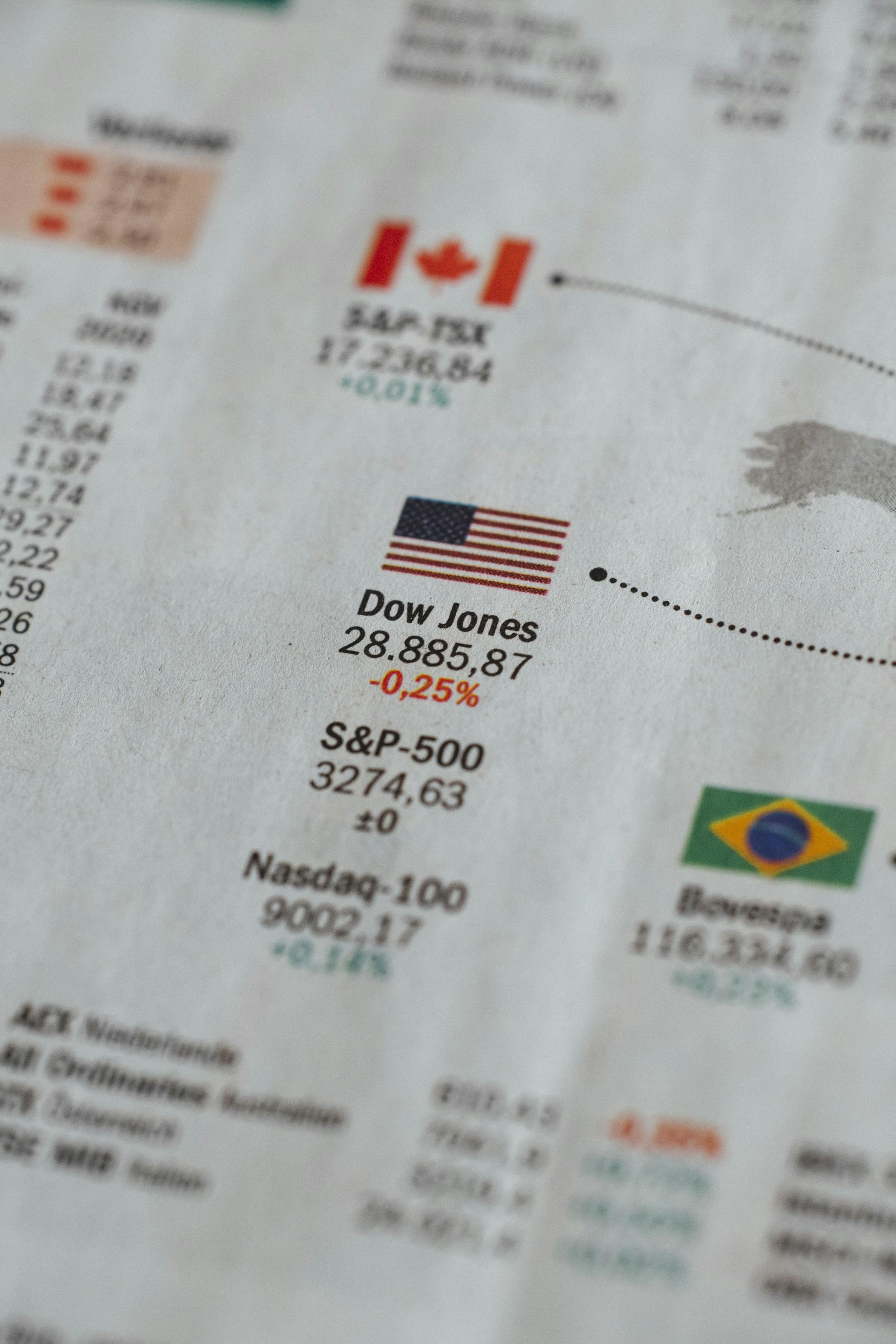
Overview of the Russian Stock Market Performance
Recently, the Russian stock market has demonstrated a notable decline in stock prices, indicating ongoing volatility and investor uncertainty. Specifically, the key stock market index, the MOEX Russia Index, remained largely unchanged, suggesting a period of stagnation amidst external pressures. Analysts attribute the downturn to a myriad of factors, including geopolitical tensions, fluctuations in commodity prices, and economic sanctions that continue to affect investor sentiment and market confidence.
The trading volumes observed during this period have also revealed a cautious approach by investors. Lower trading volumes often signify reduced participation in the market, as investors await clearer signals regarding future economic conditions. This cautious stance could be a result of ongoing developments within the global economy, which have a direct impact on the Russian market. Furthermore, the recent report on inflation rates and consumer spending has introduced additional layers of concern surrounding the market’s stability.
As for the closing figures, several prominent stocks within the index recorded declines, reflecting a broader trend of negative performance. Major sectors, particularly energy and finance, exhibited weakness, with energy prices experiencing downward pressures due to global market shifts. This reduction in stock values can impair overall investor confidence and may lead to further market adjustments.
Overall, the current landscape of the Russian stock market shows a complex interplay of local and global factors contributing to its performance. Investors are urged to maintain awareness of these evolving dynamics, as they are crucial in shaping investment decisions in this challenging environment. Understanding the nuances of these trends can provide insight into potential opportunities and risks associated with the Russian equity market moving forward.
Key Influencers Behind the Market Decline
The performance of the Russian stock market has demonstrated significant volatility, deeply influenced by a confluence of economic, political, and global events. Geopolitical tensions, particularly those stemming from ongoing conflicts and diplomatic rifts, have played a central role in shaping investor sentiment. For instance, sanctions imposed by Western countries in response to various geopolitical actions have led to apprehension among investors, contributing to a decline in market confidence. This uncertainty typically results in reduced investments and selling pressure, ultimately impacting stock prices adversely.
Changes in commodity prices are another critical aspect influencing the Russian market. Russia is a major exporter of energy resources like oil and natural gas, therefore fluctuations in global commodity prices can have immediate effects on economic stability and investor outlook. A decline in crude oil prices, particularly, can exert pressure on government revenues and corporate profits, leading to broader sell-offs in the market. Since energy prices correlate directly with the performance of related stocks on the Moscow Exchange, any downward trend in these commodities can trigger systemic declines in the overall index.
Moreover, macroeconomic indicators provide insights into the underlying health of the economy, which is further reflected in the stock market. Recent statistics regarding inflation rates, unemployment figures, and GDP growth have not portrayed a robust economic recovery. In particular, high inflation levels can diminish consumer purchasing power, leading to a slowdown in consumption, which consequently affects corporate revenues. This economic backdrop heightens investor anxiety and fuels skepticism about recovery prospects, further dampening market performance.
In summary, the interplay of geopolitical tensions, evolving commodity prices, and crucial macroeconomic indicators forms a complex web of factors influencing the Russian stock market’s declines. These elements not only inform investment decisions but also shape the broader sentiment surrounding the market’s future trajectory.
Analysis of the MOEX Russia Index’s Stability
The MOEX Russia Index, a benchmark of the performance of the largest and most liquid stocks listed on the Moscow Exchange, has demonstrated remarkable stability even as broader stock markets experienced a downturn. This unique situation prompts an investigation into the factors contributing to the index’s unchanged status amid fluctuating market conditions.
One of the primary components of the MOEX Russia Index includes the heavyweights of the energy sector, such as Gazprom and Rosneft. These companies have shown relative resilience against global market pressures, primarily due to stable demand for energy resources amid geopolitical tensions. Furthermore, the financial sector, particularly major banks like Sberbank and VTB, has remained robust, bolstered by a conservative approach to lending and effective management of asset quality. This stability in these key sectors is significant in enabling the MOEX Russia Index to maintain its position.
Additionally, institutional trading patterns have played a crucial role in the index’s stability. Many institutional investors, recognizing the potential for volatility in other markets, have maintained their positions in the MOEX Russia Index, which offers a semblance of predictability. The cautious optimism among domestic institutional players indicates a sustained interest in Russian equities, particularly when compared to the uncertainty surrounding many international markets.
When contextualized within global trends, the MOEX Russia Index presents an intriguing picture. Unlike its counterparts in Europe and the United States, which have seen substantial fluctuations, the MOEX’s steadiness invites comparisons that highlight its unique characteristics. It is evident that the combination of strong sector performance and strategic institutional trading provides a cushion against broader market declines, thus solidifying the index’s position.
Future Outlook for Russian Stocks and Economic Indicators
The future of Russian stocks remains a critical area of focus for both domestic and international investors, particularly given the current market dynamics and economic indicators. Analysts are utilizing a variety of economic metrics to assess potential trajectories in the stock market, particularly within the framework of the MOEX Russia Index. As of now, the index has displayed signs of stagnation, which invites scrutiny regarding its resilience and future performance.
One key economic indicator to monitor is the inflation rate in Russia, which influences consumer purchasing power and overall economic stability. Higher inflation may pressure corporate profit margins, potentially leading to lower stock valuations. Conversely, a reduction in inflation could foster a more favorable economic environment, encouraging investor confidence and facilitating growth in Russian equities. Furthermore, the geopolitical landscape plays a significant role, with ongoing sanctions and diplomatic relations directly affecting market access and foreign investment sentiment.
In terms of predictions, analysts suggest that any significant improvement in Russian stocks will heavily depend on external factors, including fluctuations in global oil prices and economic conditions in major trading partners. Events such as shifts in trade policies or international agreements may also create ripples in the market. Investors should remain vigilant for any news related to the Central Bank’s monetary policies, as changes in interest rates can impact capital flows and stock valuations.
Ultimately, strategic recommendations for investors emphasize a diversified approach, allowing for risk mitigation amid uncertainty. Attention to emerging sectors, particularly those tied to technological advancements or energy efficiency, may present opportunities for capitalizing on long-term growth trends. As the landscape evolves, adapting to dynamic economic indicators and global trends will be essential for navigating the complexities of the Russian stock market moving forward.