

Current Market Overview
The cryptocurrency market has seen a notable evolution, characterized by significant fluctuations and ongoing developments that impact pricing dynamics. As of the latest data, the total market capitalization stands at approximately $2.1 trillion, indicating a robust market presence despite the volatility often associated with cryptocurrencies. This overall market value encompasses a diverse range of digital assets, each contributing to the market’s strength and diversity.
Trading volume has also exhibited considerable shifts, with daily volumes averaging around $100 billion. This increase in trading activity signals heightened investor engagement and interest in various cryptocurrencies. Notably, Bitcoin remains the dominant player, capturing roughly 45% of the total market capitalization, followed closely by Ethereum, which commands around 18%. These two cryptocurrencies continue to lead in terms of global investor attention and trading volume.
In recent weeks, a growing trend has emerged, with institutional investments playing a crucial role in propelling the pricing of cryptocurrencies. This trend is underscored by recent endorsements from major financial institutions and an increase in cryptocurrency adoption by businesses. Investors are becoming more optimistic, which is reflected in the market sentiment, often resulting in upward price movements for many assets.
To provide context, if we compare current prices to those from the previous months, it becomes evident that Bitcoin has experienced fluctuations between $30,000 and $60,000, whereas Ethereum has largely traded between $2,000 and $4,000. Such price ranges illustrate the significant volatility inherent in the cryptocurrency market, driven by market sentiment, geopolitical factors, and technological advancements within the blockchain ecosystem. Overall, the current state of the cryptocurrency market reveals both optimism and caution as investors navigate this evolving landscape.
Major Cryptocurrencies and Their Prices
As of October 2023, the cryptocurrency market has displayed a vibrant array of price movements, prominently featuring major players such as Bitcoin (BTC) and Ethereum (ETH). Bitcoin, often regarded as the flagship cryptocurrency, is currently priced around $35,000. Over the last 24 hours, it has experienced a fluctuation of approximately 2.5%, reflecting the ongoing volatility inherent in cryptocurrency trading. Market analysts attribute this shift to a combination of regulatory developments and broader financial trends impacting investor sentiment.
Ethereum, meanwhile, stands as the second-largest cryptocurrency by market capitalization with a current price of about $2,250. Its price shows a slight increase of 1.8% over the last 24 hours. Recent updates, such as the implementation of Ethereum 2.0 upgrades, which enhance transaction efficiency and security, have positively influenced investor confidence and contributed to its price stabilization. Such technological advancements are critical in understanding the long-term potential of Ethereum in the evolving market landscape.
In addition to Bitcoin and Ethereum, alternative cryptocurrencies—often referred to as altcoins—are also making significant impacts. For instance, Binance Coin (BNB) is priced around $300, reflecting a 3% increase over the past day, buoyed by the growth of the Binance exchange and the rising adoption of decentralized finance (DeFi) applications. Cardano (ADA), on the other hand, trades at approximately $0.50 with a minor dip of 1% as recent project updates failed to generate anticipated excitement among investors.
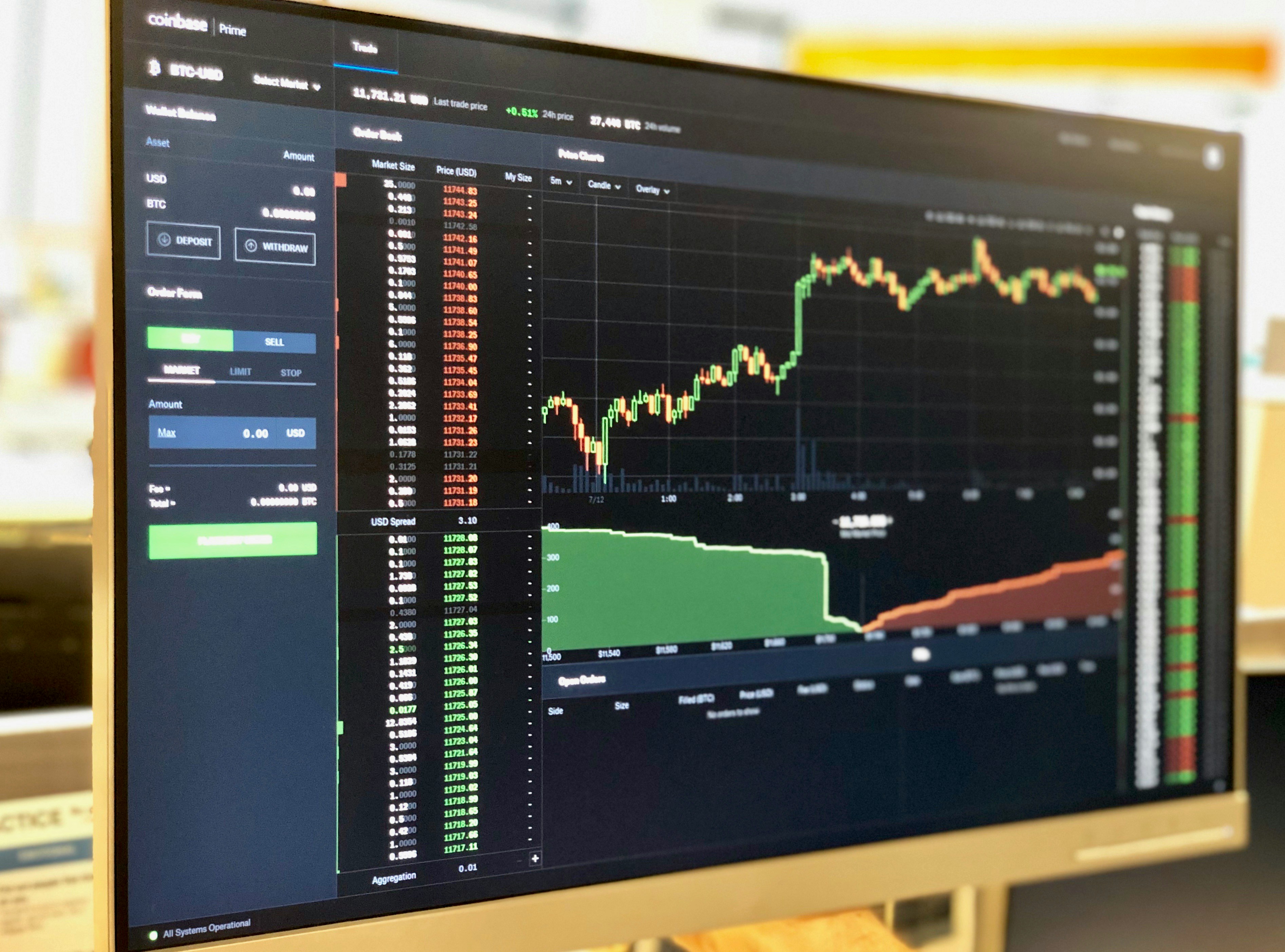
Graphical representations of these price movements can be insightful in understanding both short-term fluctuations and long-term trends. Overall, current prices of these major cryptocurrencies are reflective of both localized market activities and larger economic forces, offering a compelling insight into their financial trajectories in a rapidly evolving digital economy.
Factors Influencing Cryptocurrency Prices
The cryptocurrency market is notably volatile, with prices influenced by a myriad of factors that can change rapidly. One of the primary drivers is market news, which encompasses any significant announcements or events affecting the cryptocurrency landscape. News related to the adoption of cryptocurrencies by mainstream businesses or changes in cryptocurrency payments can lead to sudden price shifts. Conversely, negative news, such as security breaches or fraudulent activities, can result in devaluation. Thus, the importance of staying informed cannot be overstated.
Regulatory updates also play a critical role in shaping cryptocurrency prices. Governments and financial watchdogs worldwide are still formulating regulations which can garner either support or resistance within the market. For instance, when a country announces supportive regulations, such as the acceptance of cryptocurrencies for tax payments, prices may surge. In contrast, stringent regulations or outright bans often lead to a decrease in market confidence, resulting in price decline. Therefore, the regulatory environment is a key aspect contributing to price fluctuations.
Technological advancements within the cryptocurrency ecosystem can significantly impact prices. New features, enhanced security protocols, and improvements to transaction efficiency can help increase a cryptocurrency’s adoption and, consequently, its value. Investors are typically keen on developments such as upgrades to blockchain technology or improvements in scalability, which affect a cryptocurrency’s long-term sustainability.
Economic indicators, including inflation rates and the overall state of the economy, also influence cryptocurrency prices. During times of economic uncertainty, more investors may turn to cryptocurrencies as a hedge against traditional financial markets, leading to their price rise. Additionally, social media trends and influencer opinions can sway public perception, creating market sentiment shifts that further affect prices. In conclusion, the interplay of market news, regulatory changes, technological progress, and broader economic factors collectively informs the ever-changing landscape of cryptocurrency pricing.
Looking Ahead: Price Predictions and Trends
The world of cryptocurrency is inherently volatile, influenced by a multitude of factors, including market sentiment, regulatory developments, and technological advancements. As we look ahead, experts predict that the prices of cryptocurrencies could experience significant fluctuations. Analysts emphasize the need for market participants to stay informed about upcoming events that may serve as catalysts for price movements.
One notable forecast involves the potential rise in prices of major cryptocurrencies, such as Bitcoin and Ethereum, as they approach their historical all-time highs. Market analysts suggest that if Bitcoin breaks through the resistance level of $60,000, it may pave the way for a new bullish trend, drawing in institutional investors particularly interested in blockchain technology and decentralized finance (DeFi) opportunities. Ethereum, on the other hand, is expected to see price increases due to the continued development of its network, especially with the rollout of Ethereum 2.0, which aims to improve scalability, security, and sustainability.
Additionally, seasonal trends have always played a significant role in cryptocurrency pricing. Years of market data indicate that certain periods, especially around the end of the year, can experience increased buying activity often attributed to the holiday season and year-end investment strategies. The effect of market cycles also suggests that investors should prepare for possible corrections following periods of rapid gains, as profit-taking may occur.
It is also crucial to monitor geopolitical developments and regulatory changes that could additionally impact cryptocurrency prices. Events such as major policy announcements, changes in tax regulations, and international trade agreements can create market shifts that traders should be aware of. By carefully considering these insights, investors can better position themselves to navigate the unpredictable cryptocurrency landscape. In conclusion, staying informed about these dynamics is essential for anyone involved in the crypto market.