

Current Market Overview
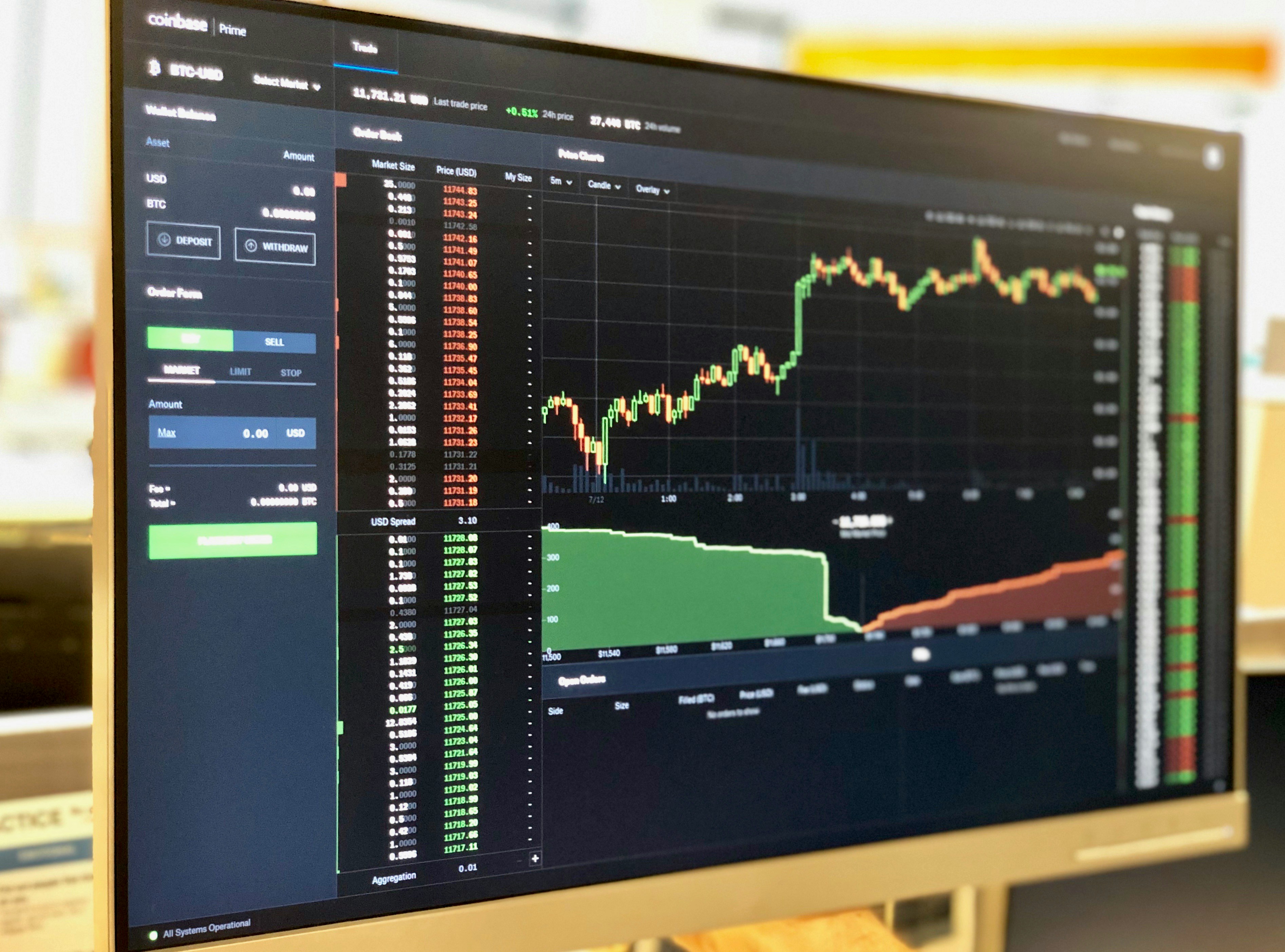
The cryptocurrency market has demonstrated significant fluctuations in recent days, reflecting a complex interplay of various factors including regulatory developments, macroeconomic conditions, and investor sentiment. As of today, Bitcoin, the leading cryptocurrency by market capitalization, is trading at approximately $26,800. This marks a decrease from its previous trading session, indicating a resilient yet volatile market characteristic.
Ethereum, the second-largest cryptocurrency, is currently valued at around $1,750, showing a slight rebound from yesterday’s decline. Its trading volume has also witnessed an increase, suggesting renewed interest among investors. Notably, the overall market capitalization for all cryptocurrencies stands at near $1.1 trillion, reflecting ongoing engagement and investment in digital assets.
When analyzing trading volumes, Bitcoin continues to dominate, accounting for nearly 45% of the total market activity. Meanwhile, other altcoins like Binance Coin and Ripple have also shown considerable trading interest, though their market positions can fluctuate rapidly. This diverse engagement provides insight into investor behavior and market trends, revealing a shift towards greater diversification in crypto portfolios.
Furthermore, external influences such as regulatory announcements and technological advancements are pivotal in shaping current market dynamics. Recent news surrounding new regulations in various jurisdictions has spurred both caution and excitement among traders. Market analysts suggest that these factors contribute significantly to the ongoing volatility, with many investors closely monitoring policy changes that could impact their investments.
Overall, today’s cryptocurrency market reflects both challenge and opportunity. As we proceed, observing these trends and understanding the factors at play will be crucial for making informed investment decisions. This overview serves as a snapshot of current activity and pricing, essential for anyone involved in cryptocurrency trading today.
Top Gainers and Losers
In the ever-evolving cryptocurrency market, daily fluctuations can significantly affect investor sentiment and portfolio values. Today, we observe notable shifts among various digital assets, spotlighting the top gainers and losers. The top gainers often capture attention, reflecting substantial price increases that may stem from a mix of factors including recent technological advancements, early-stage adoption by mainstream services, or positive regulatory news. For instance, a particular token might surge following a partnership announcement that promises expanded functionality or user base. Another contributing element could be favorable market sentiment, which often drives speculative buying, further amplifying price increases.
Conversely, the top losers often indicate areas of concern or caution within the market. These declines can be attributed to several factors. For example, a cryptocurrency may experience a downturn due to unfavorable news, such as regulatory actions targeting the asset or broader market conditions affecting investor confidence. Additionally, cryptocurrencies with lower market capitalizations might experience heightened volatility—leading to significant price drops as investors rapidly adjust their holdings in reaction to market dynamics. Other reasons could include technological challenges faced by the project or internal scandals that damage trust and credibility.
An analysis of today’s price movements reveals specific cryptocurrencies that have substantially gained or lost value. Monitoring these shifts is crucial for investors seeking to navigate this digital financial landscape. Understanding the underlying factors that propel these changes is essential, as they can inform future trading strategies. The pronounced volatility exemplifies the need for thorough analysis and prudent decision-making amid the unpredictability that characterizes the cryptocurrency market. With a continuously shifting environment, it remains vital for investors to stay updated on the latest trends and potential risks associated with cryptocurrency investments.
Market Influences and Sentiments
The cryptocurrency market is notably affected by a variety of external factors, which play a crucial role in determining price fluctuations. Understanding these influences can provide insights into broader market trends. One significant factor is global economic events, such as inflation rates, government fiscal policies, and geopolitical tensions. For instance, when inflation rises in major economies, investors may turn to cryptocurrencies as a hedge against currency devaluation, leading to price surges.
Changes in regulatory environments also significantly impact the cryptocurrency landscape. Governments worldwide are increasingly scrutinizing digital currencies, with evolving regulations influencing investor confidence. For example, announcements from regulatory bodies regarding potential bans, support for blockchain technology, or tax implications can lead to erratic price movements. Positive regulatory developments tend to bolster market stability, while stringent regulations often induce fear and uncertainty among investors, contributing to volatility.
Technological advancements within the crypto space further shape market dynamics. Innovations like decentralized finance (DeFi) and non-fungible tokens (NFTs) have drawn a considerable amount of attention, creating new investment opportunities. Additionally, upgrades to existing blockchain protocols can enhance performance and security, encouraging more users to participate in the ecosystem and potentially driving demand.
Investor sentiment, cultivated through social media trends and trading patterns, remains an essential element in understanding market psychology. Platforms like Twitter and Reddit are pivotal in shaping public perception, with viral posts having the potential to create significant price movements. Analyzing trading volumes and behavioral patterns helps identify bullish or bearish sentiments within the community, offering valuable insight into what drives market trends.
In conclusion, the cryptocurrency market is a complex interplay of global economic conditions, regulatory developments, technological progress, and investor sentiments. Understanding these influences is vital for anyone looking to navigate the ever-evolving landscape of digital currencies.
Future Predictions and Considerations
As cryptocurrency markets continue to evolve, analysts are diligently studying current trends to formulate predictions about future price movements. Various market forecasts indicate potential scenarios that could unfold in the near term, which are critical for both investors and stakeholders in the crypto ecosystem. A key aspect to consider is the overall market sentiment, which can significantly influence price fluctuations. For instance, bullish trends may emerge if major cryptocurrencies, such as Bitcoin and Ethereum, break through resistance levels, signaling increased confidence among investors.
In contrast, bearish outcomes may manifest if prevailing economic pressures lead to a decrease in trading volumes. Events such as regulatory announcements, technological upgrades, or macroeconomic changes can act as catalysts that either bolster or hinder the growth of cryptocurrency prices. Hence, keeping an eye on key developments is essential for predicting the market’s direction. Furthermore, external factors, such as interest rate changes or shifts in global markets, can also play a vital role in shaping investor behavior and market dynamics.
For investors, preparing for these potential price movements necessitates a sound risk management strategy. Understanding one’s risk tolerance is paramount, particularly in the highly volatile cryptocurrency landscape. Diversifying investments across various assets and employing stop-loss orders can help mitigate potential losses during unforeseen market dips. Additionally, investors should regularly reassess their portfolios in light of emerging trends and data-driven insights. Staying informed and agile will allow them to adapt to the ever-changing crypto market.
In conclusion, as we navigate through today’s cryptocurrency market, understanding future predictions and considerations becomes increasingly important. By analyzing trends and preparing for various scenarios, investors can position themselves more strategically to weather the volatility and capitalize on potential opportunities in the cryptocurrency space.