

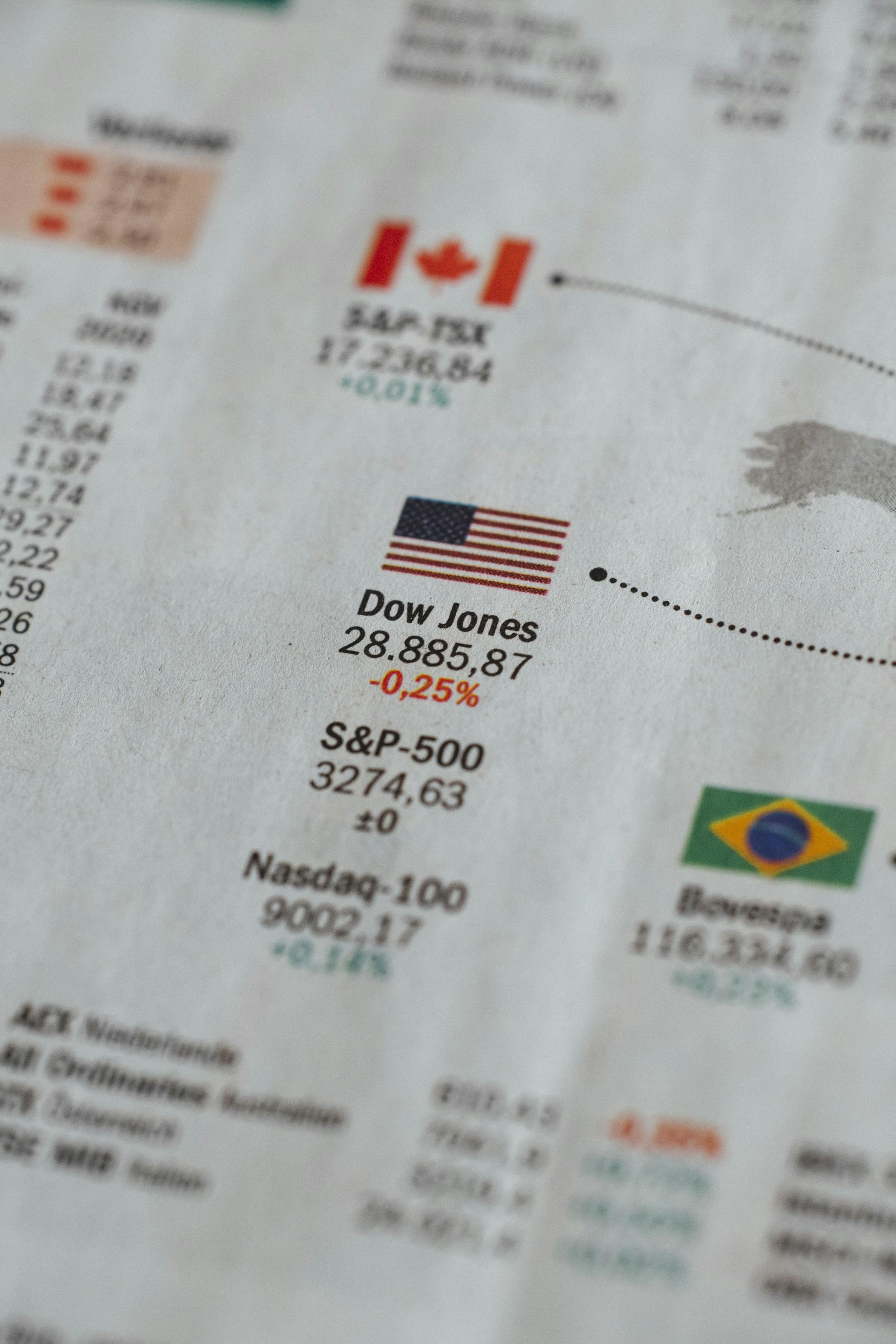
What are Index Funds?
Index funds are a type of investment vehicle designed to replicate the performance of a specific market index, such as the S&P 500 or the NASDAQ. These funds pool money from multiple investors to purchase a broad array of underlying assets, effectively mirroring the composition of the index they aim to track. One of the fundamental benefits of index funds is their passive management style, which results in lower fees compared to actively managed funds. This characteristic has made them increasingly popular among individual and institutional investors alike.
There are two primary types of index funds: mutual fund index funds and exchange-traded fund (ETF) index funds. Both types serve the same fundamental purpose of tracking a specific market index, but they operate differently. Mutual fund index funds are bought and sold through the fund company and are priced at the end of the trading day. In contrast, ETF index funds trade on major exchanges like stocks and can be bought or sold throughout the trading day at fluctuating market prices. This difference in trading methodology can offer additional flexibility for investors optimizing their investment strategies.
The underlying assets of index funds typically comprise a diversified mix of stocks or bonds, reflecting the performance of the corresponding market index. For example, an S&P 500 index fund holds shares of the 500 largest publicly traded companies in the United States, whereas a total market index fund may include a wider array of stocks from various sectors and sizes, offering even greater diversification. The concept of index funds has evolved since their introduction in the 1970s by pioneers like John Bogle, the founder of Vanguard, who advocated for low-cost, passive investing as an effective means for building wealth over time. Today, index funds continue to be a cornerstone of many investment portfolios, appealing to both novice and experienced investors in a steadily evolving financial landscape.
Benefits of Investing in Index Funds
Investing in index funds presents a variety of benefits that make them an attractive option for many investors. One of the primary advantages is the lower management fees associated with index funds compared to actively managed funds. As index funds follow a passive investment strategy, they do not require extensive research or continuous trading, which minimizes operational costs. This cost efficiency enables investors to retain a larger portion of their returns over time, ultimately enhancing long-term wealth accumulation.
In addition to lower fees, index funds provide significant diversification benefits. By tracking a specific market index, these funds invest in a broad array of securities. This diversification helps to spread risk across various assets, reducing the potential impact of any single investment’s poor performance on the overall portfolio. For novice investors or those with limited knowledge of the market, index funds offer a straightforward method to achieve a well-rounded investment without the complexities typically involved in evaluating individual stocks or bonds.
Another noteworthy advantage of index funds is their tax efficiency. Since they typically have lower turnover rates, these funds incur fewer capital gains distributions, resulting in lower tax liabilities for investors. This feature makes index funds particularly advantageous for tax-conscious investors seeking to maximize post-tax returns. Moreover, the consistent performance of index funds aligns well with the philosophy of passive investing, which emphasizes a long-term approach rather than frequent trading.
For those looking for a hands-off approach to wealth building, index funds are particularly well-suited. Their simplicity and ease of management enable long-term investors to focus on their financial goals without being overwhelmed by daily market fluctuations or the need for active portfolio adjustments. Overall, the benefits of investing in index funds—coupled with their growing popularity—make them a compelling option for modern investors.
How to Choose the Right Index Fund
Selecting the appropriate index fund is crucial for aligning your investment strategy with your personal financial goals and risk tolerance. To begin, prospective investors should assess their investment objectives—whether aiming for long-term growth, income, or capital preservation— as these goals significantly influence the choice of index fund.
One of the primary factors to evaluate is the fund’s performance history. While past performance does not guarantee future results, it can provide insights into how the fund has weathered different market conditions. Look for consistent returns over multiple market cycles, as this may indicate the fund’s resilience and management quality. Additionally, consider the fund’s expense ratio, which reflects the cost of managing the fund’s assets. Lower expense ratios can lead to higher net returns over time, making them an attractive option for cost-conscious investors.
Tracking error is another critical consideration; it measures how closely an index fund’s returns align with the returns of its benchmark index. A lower tracking error suggests that the fund is effectively replicating its index, which is often a sign of efficient management. Understanding the index being tracked is equally important; some investors may prefer broad market indices, while others might seek niche sectors or strategies that align with their interests or beliefs.
When evaluating fund providers, examine their reputation, investment philosophy, and overall management capabilities. Established firms with a long history in the market often provide greater reliability, whereas niche fund providers might offer innovative strategies that cater to specific investor needs. Ultimately, thorough research and a clear understanding of your financial objectives will empower you to choose the most suitable index fund to enhance your investment portfolio.
Common Misconceptions About Index Funds
Index funds have gained popularity as a viable investment strategy, yet several misconceptions persist that may hinder potential investors from exploring their benefits. One prevalent myth is that index funds are only suitable for beginners. While novice investors often appreciate the simplicity and lower fees associated with index funds, they are equally advantageous for seasoned investors. Experienced investors value index funds for their ability to maintain long-term growth while reducing the need for active management, thereby allowing them to focus on other investment opportunities.
Another common belief is that index funds lack sufficient diversification. This notion mistakenly overlooks the nature of index funds, which are designed to track broad-market indices. For instance, an S&P 500 index fund encompasses shares from 500 of the largest U.S. companies across various sectors, resulting in a level of diversification that can mitigate specific sector risks. This diversification enables investors to gain exposure to multiple stocks without the effort and cost associated with managing a portfolio of individual securities.
Furthermore, some investors assume that they cannot outperform the market by investing in index funds. This misconception misses the crucial point that many actively managed funds fail to consistently beat their benchmarks after fees are taken into account. Research indicates that a significant majority of active fund managers underperform their respective indices over the long term. By investing in index funds, investors can often achieve returns that are more in line with the overall market, thereby benefitting from the market’s historical upward trend without the pitfalls of high management fees.
In addressing these misconceptions, it becomes evident that index funds can serve as a robust and reliable investment vehicle suitable for a diverse range of individuals, regardless of their investment experience.