

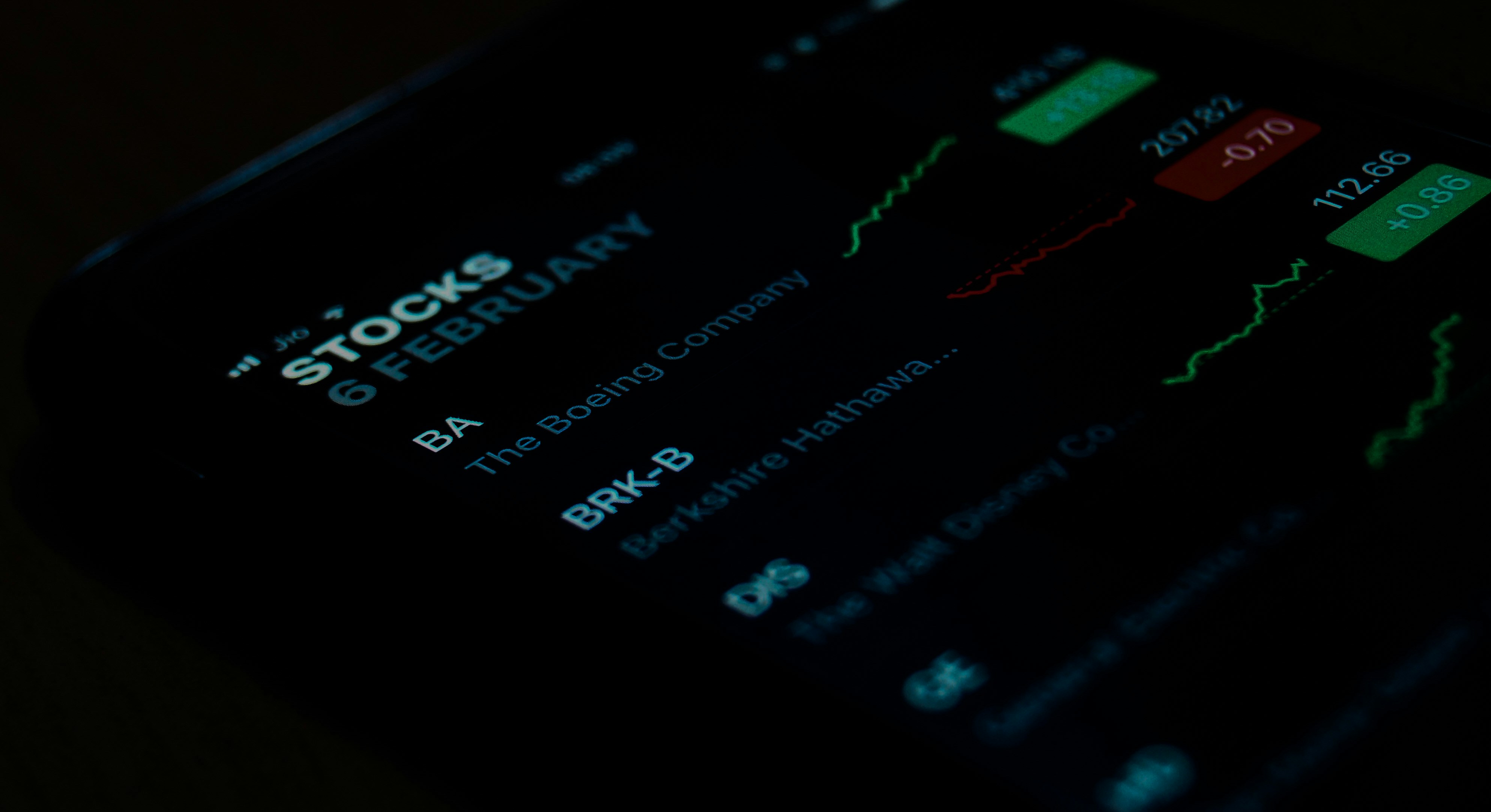
Understanding Live Share Market Dynamics
The share market, a platform where stocks are bought and sold, is influenced by various factors that contribute to its constant fluctuations. One of the core elements driving these changes is market sentiment, which reflects the overall attitude of investors towards a specific stock or the market as a whole. Positive market sentiment can lead to increased buying activity, whereas negative sentiment often results in selling pressure. Understanding this psychological aspect is crucial for investors looking to navigate the complexities of live share market movements.
Another significant factor is trading volume, which measures the number of shares exchanged over a given period. High trading volumes can indicate strong interest in a particular stock, suggesting potential price changes. Conversely, low trading volumes may signal a lack of interest or uncertain market conditions. Investors should pay close attention to these volumes, as they often provide valuable context for price fluctuations in real-time.
Moreover, economic indicators such as GDP growth rates, unemployment figures, and inflation can significantly impact the live share market. Positive economic news typically boosts investor confidence, potentially driving stock prices higher, while negative indicators can trigger sell-offs. Having access to live updates and real-time data allows investors to respond swiftly to these developments, optimizing their trading decisions. Through platforms that offer live share market information, investors can monitor price changes, trading volumes, and relevant news, enabling them to assess potential opportunities or risks.
Ultimately, grasping the dynamics of the share market—comprising market sentiment, trading volumes, and economic indicators—is vital for anyone looking to succeed in this fast-paced environment. This understanding can act as a guiding framework for investors as they navigate the complexities of live trading scenarios.
Tools and Platforms for Tracking Live Share Market Trends
In the ever-evolving landscape of financial markets, staying informed about real-time share data is crucial for both novice and seasoned traders. A variety of tools and platforms are available, designed to provide live insights into share market trends. Trading apps and market analysis websites are at the forefront of this technological evolution, offering users immediate access to the latest market movements and share prices.
Among the most used trading apps are Robinhood, E*TRADE, and TD Ameritrade, which enable users to monitor share markets live and execute trades seamlessly. These platforms often come equipped with features such as customizable dashboards, allowing traders to tailor their experiences according to personal preferences. Moreover, real-time alerts for price fluctuations can help individuals make timely investment decisions. Technical analysis tools, charts, and indicators are additional features that enhance the trading experience, providing insights into market behaviors and trends.
In addition to trading applications, financial news websites like Bloomberg, CNBC, and Yahoo Finance provide comprehensive updates on market conditions. These platforms not only offer live updates on share prices but also include expert analysis, stock performance metrics, and news articles to better inform users. Such information can be essential for traders looking to understand market sentiment and its impact on share trends.
When selecting tools for tracking live share market trends, it is essential to prioritize user-friendly interfaces that simplify the trading process. Additionally, features such as customizable alerts and real-time notifications can significantly enhance a trader’s ability to respond quickly to market changes. By leveraging suitable platforms and tools, traders can navigate the complex world of share markets with greater confidence and accuracy.
Effective Strategies for Trading in a Live Market
Navigating the share market live can be challenging but employing effective trading strategies can significantly enhance one’s chances of success. Among the myriad approaches available, day trading, swing trading, and long-term investment stand out due to their unique methodologies and dynamics in handling real-time market fluctuations.
Day trading involves making multiple trades within a single market day, capitalizing on small price movements. This strategy requires a keen sense of timing and a thorough understanding of market trends. Technical analysis is particularly vital for day traders, as it helps in identifying patterns and signals that indicate short-term price movements. Traders should familiarize themselves with charting tools and indicators to make informed decisions swiftly and efficiently.
Swing trading, on the other hand, seeks to capture gains within a medium timeframe, typically from a few days to several weeks. This strategy allows traders to take advantage of market swings, hence the name. A combination of technical and fundamental analysis is crucial for swing traders; understanding economic indicators and market news can provide insights into potential price movements. Patience plays an essential role in this approach, as traders must wait for the right moment to enter or exit positions.
Long-term investing is a more conservative strategy that focuses on holding shares for extended periods, often years. Investors in this category analyze fundamental factors such as company performance, industry trends, and macroeconomic conditions to identify opportunities that may yield higher returns over time. Risk management is paramount in this strategy, as it involves diversifying one’s portfolio and consistently evaluating investments to mitigate potential losses.
Incorporating these strategies requires active monitoring of the market landscape. Staying informed about the latest market data and employing risk management techniques can help traders navigate challenges effectively. By refining these approaches regularly, individuals can optimize their engagement in the live share market.
Common Pitfalls to Avoid in Live Share Trading
Engaging in live share trading can be an exhilarating experience, yet it is fraught with challenges that may hinder success. One of the most prevalent mistakes traders make is emotional trading. Decisions driven by fear or greed can lead to impulsive actions that undermine a carefully constructed strategy. It is essential for traders to maintain a level-headed approach and not allow emotions to dictate their trading decisions. Adopting a disciplined mindset can significantly enhance decision-making processes.
Lack of research is another critical pitfall that traders often encounter. The dynamic nature of the share market necessitates thorough analysis and understanding of market trends, company performance, and economic indicators. Traders who neglect this vital aspect may find themselves making uninformed decisions, resulting in substantial financial losses. Continuous education and staying informed through credible sources can mitigate this risk and empower traders to make better choices.
Overtrading presents yet another challenge in live share trading. In an attempt to capitalize on every market movement, traders may inadvertently engage in excessive buying or selling, leading to increased transaction costs and potential losses. Establishing clear entry and exit points, along with adhering to a defined trading plan, can help traders resist the urge to overtrade and maintain a more balanced portfolio.
Furthermore, ignoring risk management principles can prove detrimental. Effective risk management strategies, such as setting stop-loss orders or diversifying investments, are crucial in protecting one’s capital. These measures help safeguard against unforeseen market fluctuations. Successful traders understand the importance of patience and discipline, enabling them to execute their plans methodically rather than reacting impulsively. By focusing on these key principles and avoiding common pitfalls, traders can navigate the live share market with greater confidence and improve their chances for success.