

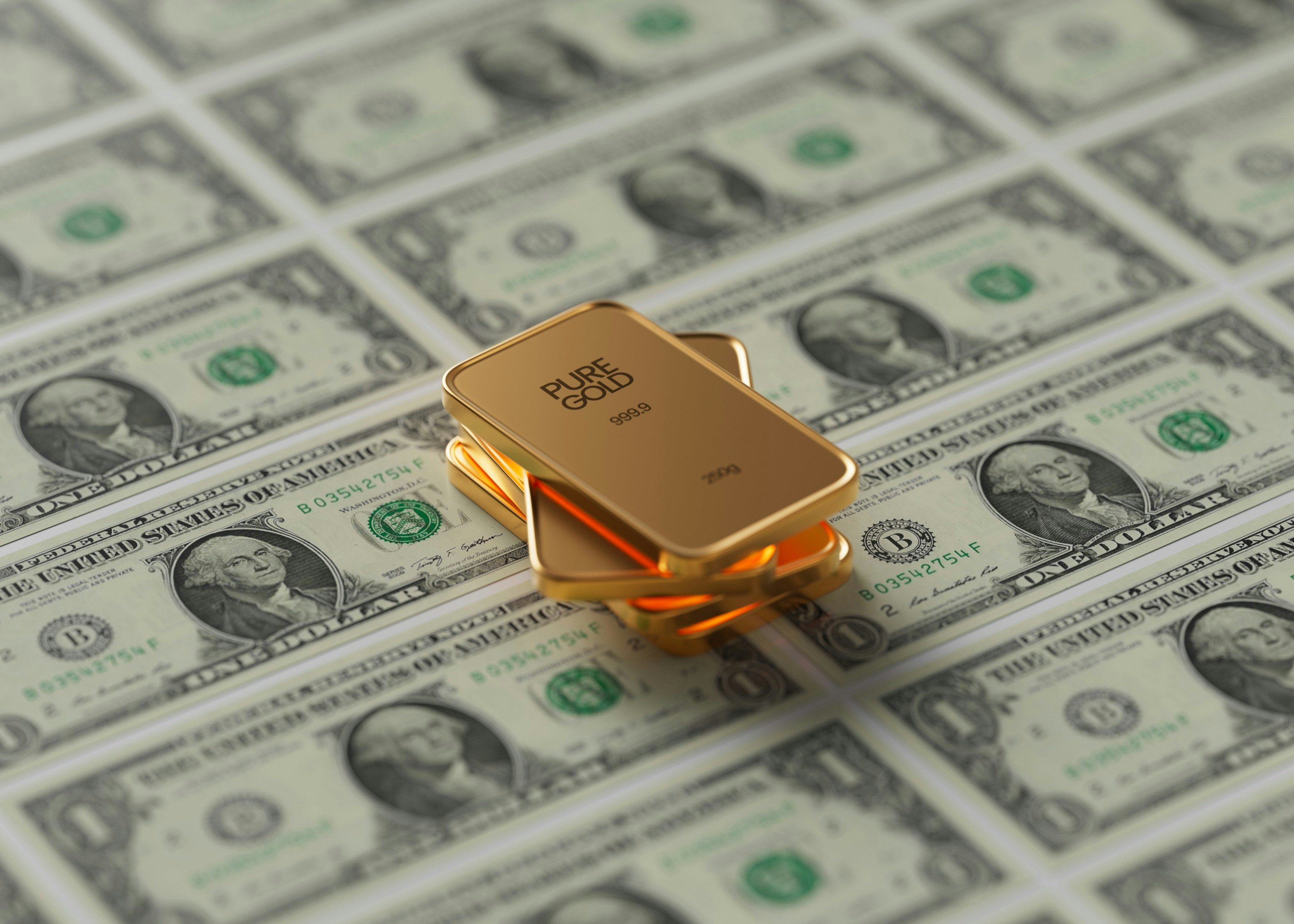
Introduction to Gold Rates
Gold rates, which significantly impact the economy and investments, refer to the price of gold per unit, typically per ounce or gram. These rates fluctuate daily based on various factors, making them a barometer for global economic stability and investor confidence. Gold has long been recognized as a valuable asset, not only serving as a medium of exchange but also as a hedge against inflation and currency depreciation. Its intrinsic value, coupled with cultural significance across different regions, solidifies gold’s status as a preferred investment choice during economic uncertainty.
The global gold market operates under the influence of a complex interplay of supply and demand dynamics, geopolitical tensions, currency fluctuations, and central bank policies. For instance, when the economy exhibits volatility or inflation rates rise, investors often flock to gold as it traditionally retains its value. Conversely, during periods of economic growth, the demand for gold may decline, resulting in lower rates. Moreover, external factors such as mining production levels, technological advancements, and emerging market demands also play a critical role in determining gold prices.
Current updates from the gold market indicate a delicate balance between elevated investment demand and the production capabilities of gold mines worldwide. In 2023, significant fluctuations have been observed, reflecting broader economic trends. Analysts suggest that ongoing geopolitical issues and shifting monetary policies contribute to persistent uncertainty, driving gold rates in various directions. With this understanding, investors can better navigate the gold market, aligning their strategies with real-time performance indicators and economic forecasts.
Current Gold Rates: Today’s Analysis
The current gold rates are subject to various fluctuations influenced by multiple factors ranging from global economic conditions to local market dynamics. As of today, the spot price of gold is approximately $1,970 per ounce, representing a notable increase compared to last month’s average of around $1,920. This upward trend can be attributed to ongoing inflation concerns, geopolitical tensions, and investor demand for gold as a safe-haven asset.
When examining different purities, the current rates for gold are as follows: 18 karat (18k) gold is trading at roughly $1,460 per ounce, while 22 karat (22k) gold is available at about $1,800 per ounce. These figures highlight not only the variations in pricing as per purity but also the correlation between the spot price and the market’s overall inclination towards gold as an investment. Historically, these rates can be compared against the last year when prices hovered around $1,780 for the 22k gold, reflecting a significant upward movement in the current market.
Regional differences also play a critical role in the gold pricing landscape. For instance, in Asia, the rates may vary slightly due to local demand and cultural factors influencing purchases for items such as jewelry and investment bars. Countries like India and China remain some of the largest consumers of gold, contributing to the overall demand dynamics which often affect local pricing. Additionally, factors like currency fluctuations, import tariffs, and stock market performances can lead to discrepancies in gold rates from one region to another.
In summary, the ongoing analysis of today’s gold rates reveals intriguing insights into market trends, with significant implications for investors, traders, and consumers alike. Understanding these factors and being aware of local and global influences can help stakeholders make informed decisions in this ever-evolving market.
Factors Influencing Gold Prices Today
Understanding the factors that influence gold prices is essential for both investors and consumers. Gold is often considered a safe-haven asset, and its market value is affected by various financial and geopolitical dynamics. One of the primary factors is fluctuations in currency values, particularly the U.S. Dollar. When the dollar weakens, gold becomes cheaper for holders of other currencies, potentially increasing its demand and thus its price. Conversely, a strengthening dollar can lead to declines in gold prices as it becomes more expensive for international buyers.
Interest rates also play a critical role in shaping demand for gold. Lower interest rates tend to decrease the opportunity cost of holding non-yielding assets like gold, making it more attractive to investors. Conversely, rising interest rates can dampen demand, as higher returns may be available from other investments such as bonds or savings accounts. Monitoring central bank policies, especially those of major economies, can provide valuable insights into potential gold price trends.
Geopolitical events, including conflicts, trade disputes, and political instability, often lead to increased gold investment as individuals seek to hedge against uncertainty. Market sentiment driven by these events frequently results in spikes in gold prices as investors flock to this traditional safe haven. Economic indicators—such as inflation rates, employment figures, and GDP growth—also influence gold prices significantly, as they reflect the overall health of the economy and can shape monetary policy decisions.
Finally, the demand from various industries, including jewelry and technology, contributes to the overall gold market. In recent years, the rising demand from the electronic sector, paired with an ever-growing interest in sustainable gold sourcing, has further complicated the pricing landscape. Altogether, these factors create a dynamic market environment, requiring constant analysis for a thorough understanding of today’s gold rates.
Forecasting Future Gold Rates
As the dynamics of global economics continue to evolve, the forecasting of future gold rates remains a critical area of interest for investors and analysts alike. Gold, often perceived as a safe haven asset, tends to experience fluctuations based on a myriad of factors, including inflation, currency devaluation, and geopolitical instability. Current trends suggest that ongoing economic uncertainty could influence gold prices positively in the near term, encouraging many stakeholders to monitor their investments closely.
Analytical methods play a significant role in forecasting potential movement in gold markets. One common approach is technical analysis, which utilizes historical price charts and patterns to predict future price behavior. This method helps traders identify trends and potential reversal points, enhancing their ability to make informed decisions regarding gold investments. Additionally, fundamental analysis evaluates macroeconomic indicators such as interest rates, employment figures, and GDP growth, further offering insights into how these factors may affect the demand for gold.
Anticipated global events are also likely to impact gold rates. For example, upcoming elections, central bank policy announcements, or shifts in international trade agreements can create volatility in financial markets. Investors should remain vigilant regarding these developments, as they may signify changes that could affect gold pricing. Furthermore, rising concerns about inflation and currency strength, particularly in major economies like the United States and the European Union, could drive increased demand for gold as a hedge against economic instability.
In conclusion, while predicting future gold rates inherently involves a degree of uncertainty, employing analytical methods and staying informed on global economic conditions can enable investors to navigate potential changes in the gold market more effectively. Preparing for these fluctuations allows stakeholders to make strategic decisions that align with their financial goals, ultimately optimizing their investment in gold.