

Understanding Tesla’s Market Position
Tesla, Inc. has emerged as a dominant player in both the automotive and energy markets, primarily through its commitment to innovation and sustainability. The company has experienced considerable growth in production and sales, leading the charge in electric vehicle manufacturing. In 2023, Tesla reported impressive sales figures, solidifying its status as the world’s leading electric automaker. The company’s ability to produce vehicles at scale while ensuring high-quality standards has contributed significantly to its market position.
One key factor that differentiates Tesla from its competitors is its vertically integrated business model. By controlling various stages of production, including battery manufacturing and software development, Tesla gains operational efficiencies that many traditional automakers struggle to replicate. Furthermore, Tesla’s emphasis on developing cutting-edge technologies—such as autonomous driving capabilities—has placed it ahead of the curve in the rapidly evolving automotive landscape.
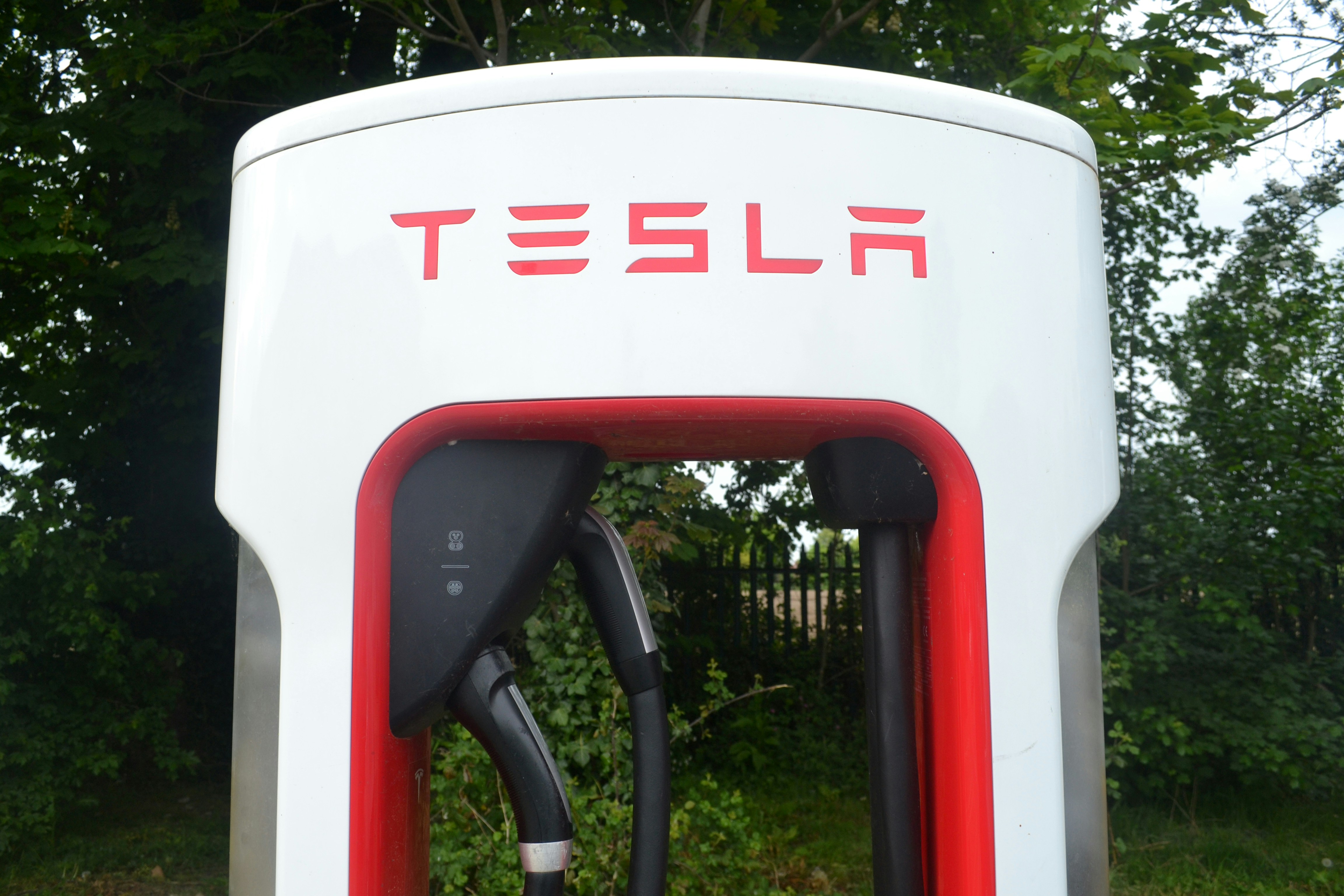
The competitive landscape for electric vehicles (EVs) has intensified as traditional automakers pivot towards eco-friendly options. Companies like Ford, GM, and Volkswagen are investing heavily in their electric lineups, vying for market share in a sector anticipated to grow significantly. However, Tesla’s early-mover advantage and brand loyalty continue to bolster its prominence within the market. The company also maintains a substantial lead in charging infrastructure with its Supercharger network, providing a convenient solution for long-distance travel, thus enhancing the EV ownership experience.
Moreover, the global shift towards electric vehicles has ushered in new opportunities for Tesla. As governments worldwide implement stricter emissions regulations and consumers become more environmentally conscious, the demand for electric vehicles is projected to soar. This trend enhances Tesla’s market potential, positioning the company favorably for future growth. In summary, Tesla’s strong market position is underscored by its innovative approach to production, competitive strategies, and the increasing adoption of electric vehicles, making it a significant player in this transformative era.
Recent Performance of Tesla Stock
Over the past several months, Tesla’s stock has experienced notable fluctuations, reflecting the momentum surrounding the electric vehicle market and broader economic indicators. The stock’s price has demonstrated considerable volatility, with significant jumps and dips heavily influenced by various factors, including earnings reports, product launches, and changes in executive leadership.
In recent trading sessions, Tesla’s stock price saw a peak at approximately $300, before encountering a downward adjustment, averaging around $250. This fluctuation can be attributed to several key events; notably, the company’s quarterly earnings report, which revealed both impressive sales figures and elevated production costs. Robust investor interest was inspired by the announcement of advancements in battery technology and expected profit growth, thereby impacting the stock’s upward trajectory.
The trading volume of Tesla stock has remained consistently high, underscoring a continued enthusiasm among individual and institutional investors. High trading volumes often signify strong investor interest and help in validating stock price movements, or may indicate potential shifts in market sentiment. Market capitalization of Tesla, as a result, consistently positions the company among the top automotive manufacturers, further solidifying its status in the tech and automotive sectors.
Investor sentiment has also played a crucial role during this period. Market reactions to news concerning regulatory changes, supply chain challenges, or competition within the electric vehicle landscape have led to sharp price adjustments. For instance, recent competition from established auto manufacturers has stirred worry among investors, prompting discussions about pricing strategies and market share. Consequently, while Tesla’s stock is subject to fluctuations, the underlying fundamentals of growth in electric vehicle demand remain a strong indicator of its long-term potential.
Factors Influencing Tesla’s Stock Price
The stock price of Tesla, Inc. is influenced by a myriad of factors, both macroeconomic and microeconomic. Understanding these variables is crucial for investors seeking to navigate the complexities of the stock market. On a macroeconomic level, regulatory changes play a significant role in shaping investor perceptions and market behavior. For instance, government incentives for electric vehicles (EVs) or stringent emissions regulations can affect Tesla’s sales projections and profitability. Additionally, broader economic conditions, such as interest rates and inflation, have a direct impact on consumer purchasing power, which in turn can influence the demand for Tesla vehicles.
Supply chain challenges are another important external factor to consider. The automotive industry has faced various supply chain disruptions, particularly following the global pandemic. Shortages of semiconductor chips and raw materials have posed challenges to production capacities for Tesla, which can lead to reduced vehicle deliveries and, consequently, a dip in stock prices. Investors closely monitor these developments, as fluctuations in Tesla’s production capabilities can result in significant volatility in its stock performance.
On a microeconomic level, internal factors such as company initiatives, innovation, and operational efficiency directly affect Tesla’s financial health. Tesla’s commitment to research and development has positioned it at the forefront of technological advances within the EV sector, enhancing its competitive advantage. Furthermore, initiatives aimed at improving manufacturing efficiency can lead to cost reductions and higher profit margins, positively impacting investor sentiment. By assessing these interrelated factors, investors can better understand potential risks and opportunities, ultimately equipping them with the necessary insights to make informed investment decisions regarding Tesla stock.
Future Projections and Investment Considerations
The trajectory of Tesla’s stock is of paramount interest for both seasoned investors and newcomers alike. With the electric vehicle (EV) market continuously evolving, several catalysts are anticipated to influence Tesla’s stock performance in the near future. Analysts predict that innovations in technology, such as advancements in battery efficiency and autonomous driving capabilities, will play a substantial role in driving sales and enhancing profitability.
Additionally, global markets are showing increased acceptance of EVs, with governments worldwide implementing strict emissions regulations. This regulatory environment could create an expanded consumer base for Tesla, potentially leading to an uptick in deliveries and revenue. Moreover, Tesla’s ongoing expansion into new geographical markets is likely to serve as a significant growth driver. The anticipated establishment of additional Gigafactories will facilitate increased production capacity and help meet rising demand.
However, with potential growth come inherent risks. Investors should be cautious of market volatility, particularly given economic uncertainties and competitive pressures. Tesla faces formidable competition from both established automakers venturing into the EV space and new entrants disrupting the market landscape. Furthermore, fluctuations in raw material costs, particularly lithium and cobalt, could impact production costs and profit margins. These factors underline the necessity for investors to conduct thorough assessments before committing capital.
In crafting an investment strategy, individuals should consider their risk tolerance and the broader market context. For investors optimistic about Tesla’s long-term prospects, accumulating shares during periods of market pullbacks may be an advisable strategy. Conversely, those wary of potential downturns might explore options such as dollar-cost averaging or investing in diversified portfolios that include Tesla shares. Ultimately, the decision to invest in Tesla should be informed by a comprehensive analysis of both its growth potential and associated risks.